
Endometrial biopsy

When a woman needs to confirm an oncological diagnosis or find out the reason for the absence of pregnancy during infertility treatment, the doctor prescribes certain diagnostic procedures. One of the most informative in this case is an endometrial biopsy. It allows you to examine the cells of the inner layer (mucous membrane) of the uterus under a microscope and detect even minimal pathological changes. Thanks to modern methods, such as punch biopsy, everything goes as quickly, safely and painlessly as possible.
What is an endometrial biopsy?

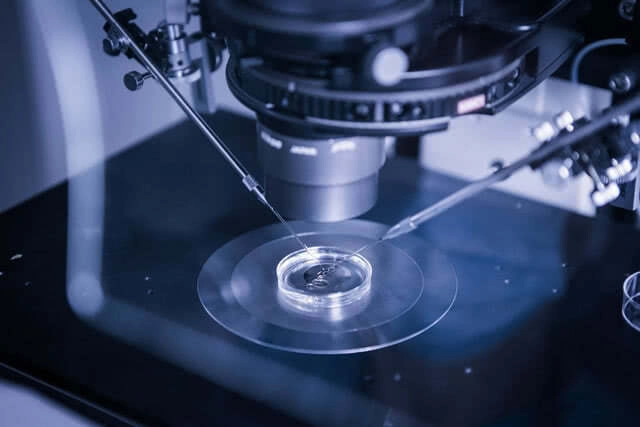
Endometrial biopsy is a diagnostic procedure that involves taking a fragment of the uterine mucosa for further histological analysis. The procedure allows us to assess the structure of tissues, identify signs of inflammation, hyperplasia, polyps, adenomatosis, precancerous conditions or oncological processes.

Contents

Indications for endometrial biopsy

Indications for the procedure

An endometrial biopsy is prescribed when it is necessary to understand why the structure of the uterus is changed. The main indications for the procedure:

  • Suspected hyperplasia or polyps. A biopsy helps to confirm or refute the diagnosis, because pathology can often only be suspected during ultrasound.
  • Chronic endometritis, endometriosis, adenomyosis. Diseases of the inner lining of the uterus that require a biopsy to select a treatment method.
  • Uterine bleeding during menopause. Oncopathology should be excluded, and there are no conditions for hysteroscopic examination.
  • Abnormal uterine bleeding, menstrual irregularities. This may indicate a violation of hormonal levels, structure or sensitivity of the endometrium.
  • Problems with conception, miscarriage. It is necessary to diagnose the causes of infertility.
  • Preparation for the IVF protocol . It is carried out to assess the receptivity of the endometrium - its readiness for implantation.
  • Treatment monitoring. When it is important to know whether the therapy works and how it affects the condition of the uterine mucosa.

A timely procedure helps the doctor to accurately identify the problem, select an effective treatment and prevent complications.

Contraindications to endometrial biopsy

The procedure is temporarily or not performed at all in such situations:

  • Pregnancy. There is a risk of spontaneous abortion, so any intervention inside the uterine cavity is prohibited.
  • Inflammatory processes in the uterus or appendages. High probability of infection or other complications.
  • Severe blood clotting disorders and anemia. The procedure may cause prolonged, heavy, or uncontrolled bleeding.
  • Genitourinary infections. A biopsy can worsen the course of the infection and contribute to its spread to the uterus. It must be completely cured before intervention.
  • Heavy uterine bleeding. In this case, the procedure will be uninformative and even dangerous.
  • Severe cervical abnormalities that make it difficult to insert the instrument. This can make the procedure technically impossible or traumatic.
  • Recent surgery on the uterus or cervix. The tissues need time to heal.

In each case, the decision to perform an endometrial biopsy is made by the doctor after an examination and tests. It is important to undergo preliminary diagnostics so that the procedure is as safe and effective as possible. And also find out the price of a pap biopsy in advance to plan treatment

Benefits of endometrial biopsy

  • high accuracy - even minimal cellular changes will not go unnoticed;
  • informative - helps to establish a diagnosis and choose the right therapy;
  • minimally invasive - the procedure is safe and does not require a long recovery;
  • speed - the procedure lasts 2-3 minutes.

In addition, endometrial pap biopsy does not require hospitalization and is painless.

Types of endometrial biopsy

Diagnostic curettage (endometrial curettage)

A diagnostic curettage is a traditional method of obtaining endometrial tissue that involves the mechanical removal of the uterine mucosa using a curette. The procedure is performed under anesthesia, as it may require cervical dilation and is much more traumatic than modern methods. For a long time, curettage has been used for uterine bleeding, suspected endometrial hyperplasia, and as a preliminary step before some gynecological operations.

The technology of curettage has remained virtually unchanged for more than a century, which leads to its disadvantages: deeper trauma to the uterine walls, a higher risk of complications, uneven tissue sampling, and a longer recovery period. Because of this, the procedure has been gradually replaced in most cases by safe and informative methods, such as punch biopsy and hysteroscopic targeted sampling.

In modern practice, diagnostic curettage is not recommended for routine diagnosis. It remains advisable only in emergency situations, for example, in acute uterine bleeding, when it is necessary to quickly stop blood loss and obtain tissue for analysis.

Pipeline biopsy (aspiration)

Pipeline biopsy is a modern minimally invasive method of tissue sampling performed using a pipeline probe. It is a thin, flexible tube with a diameter of only 2-3 mm, inside which a vacuum is created for gentle aspiration of a microscopic amount of endometrium.
The procedure differs from other methods in the following ways:

  • does not require cervical dilation;
  • is performed without anesthesia, as it causes virtually no discomfort;
  • does not injure the endometrium;
  • ensures high accuracy of the study, as the material is taken from different parts of the endometrium.

When choosing a diagnostic method, it should be borne in mind that the price of an endometrial punch biopsy differs from the cost of a curettage, which is more expensive due to mandatory anesthesia. These manipulations are not the same procedure and have different pricing policies, although they are often used in combination. The total cost depends on the conditions of the procedure and the qualifications of the specialists in the chosen medical center.

The cost of diagnostic curettage and punch biopsy of the endometrium has significant differences due to the complexity of the manipulations. It is important to understand that curettage is a more expensive procedure because it requires mandatory anesthetic support and special operating room conditions. Instead, a pap biopsy is a less invasive method that often does not require anesthesia. These procedures are not identical: each has its own indications and can complement each other to establish an accurate diagnosis. The final price depends on the level of the clinic, the qualifications of the doctors, and the chosen examination method.

Preparation and/or course of the procedure

Preparation for endometrial biopsy

For the procedure to be comfortable and give the expected results, it is important to prepare for it properly:

  1. Take a Pap smear or PCR to rule out infections that may increase the risk of biopsy complications.
  2. Undergo pelvic ultrasound to clarify the phase of the cycle and assess the condition of the endometrium.
  3. For 2-3 days, do not use vaginal suppositories, tampons, or douching, as this changes the microflora and can provoke a false result.
  4. Do not have sexual intercourse 2 days before the biopsy.
  5. Take a sanitary pad with you, as minor discharge may occur after the procedure.
  6. Inform your doctor about taking medications, especially those that thin the blood.
  7. Come for the procedure on the day of the menstrual cycle recommended by the doctor, because in case of different pathologies, the day of the cycle when the endometrial parameters will be the most informative may vary.

Following these tips will make the procedure more predictable and comfortable for the patient. Also, the quality of the material obtained depends on the correct preparation, so it is part of a successful diagnosis.

How an endometrial biopsy is performed

The procedure is performed on an outpatient basis and does not require a long stay in the clinic.
If necessary, a repeat ultrasound is prescribed to assess the uterine cavity and its location relative to the cervix.

  • Examination and preparation of the cervix. The patient is placed on a gynecological chair, the gynecologist examines the cervix and treats it with an antiseptic solution.
  • Insertion of the instrument into the uterine cavity. After preparation, a special tube for aspiration is carefully inserted into the uterine cavity.
  • Creating a vacuum. The doctor gently pulls the piston out, creating a light vacuum. This allows a small amount of endometrium (tissue fragment) to gently enter the instrument through the holes in the tube.
  • Material collection. To obtain the most informative sample, the aspiration tube is used to make several gentle movements in different directions, which allows collecting tissue from several areas of the endometrium.
  • Completion of the procedure. After sampling, the instrument is removed, and the sample is immediately placed in a sterile container to preserve its structure and sent to the laboratory.

In general, the procedure takes no more than 5 minutes and is well tolerated by most women. The price of a pap biopsy of the endometrium at the IVMED fertility clinic in Kyiv is 1300 UAH. It should be noted that this price does not include sampling and histological examination of the material.

Features and interesting facts

Consequences of endometrial biopsy

The most common question that worries women is whether endometrial pap biopsy has consequences. It is important to understand that this method of taking tissue from the uterine mucosa for examination is one of the safest gynecological procedures. Biopsy has no consequences for the reproductive system and fully preserves the ability to fertilize. It is atraumatic, i.e. it does not disrupt the structure of the endometrium. If performed correctly, there is no threat to a woman's health.

Possible complications and risks

Complications are rare, but they are possible. Among them:

  • Slight bloody discharge. This is a physiological phenomenon associated with the fact that the instrument takes a small biopsy. It usually resolves within a few hours or days and does not require special treatment.
  • Infection. It can occur in case of latent infection, neglect of preparation, asepsis and antisepsis rules, or failure to follow recommendations after the procedure. Symptoms may include fever, lower abdominal pain, foul-smelling discharge or changes in its appearance - in such cases, you should consult a doctor immediately.
  • Allergic reaction. It is rare and is most often associated with antiseptic or anesthetic drugs used during biopsy.
  • Uterine spasm and minor pain. A temporary condition that goes away on its own, usually within a few hours after the procedure.

In most cases, patients tolerate the procedure well and recover quickly. However, it is recommended to discuss the price of endometrial biopsy and possible complications with your doctor during the consultation to have a complete understanding of the procedure.

Frequently asked questions about pile biopsy

Is endometrial biopsy painful?

Usually no. During the procedure, there may be only mild pulling sensations. The pipeline probe is very thin, so discomfort is minimal. This technique is considered the most comfortable among uterine biopsies.

How long will it take to get the results?

The histologic report is usually prepared within 14-21 days, depending on the workload of the laboratory.

Can I have a biopsy during my period?

No. After all, during menstruation, the endometrium is rejected, so the biomaterial is not suitable for analysis - the result will be unreliable.

Does the procedure affect the possibility of getting pregnant?

On the contrary. An endometrial biopsy is a key diagnostic step if a woman has been unable to get pregnant for a long time - the procedure helps to identify the causes of infertility. During such manipulations, the endometrium is not damaged, so there is no cause for concern.

All procedures

Sign up for a consultation

Leave your contact information and our consultant will call you back and select the most convenient time, date, and doctor for a visit or online consultation.

Ваше ім'я *
Телефон *
Email
Оберіть місто

Why choose IVMED?

A team of experienced professionals
Clinical practice of leading specialists for over 20 years. We have helped more than 10,000 couples become parents. We have experience in solving the most difficult cases of infertility.
Individual programs for everyone
Diagnostic tests, the choice of treatment, medications, programs - everything is adapted to your individual indicators and circumstances.
Legality and complete confidentiality
The clinic operates in compliance with all applicable laws. We guarantee anonymity and medical confidentiality.
Modern genetic laboratory
Cytogenetic and molecular genetic studies from a single gene to the whole genome. Preimplantation genetic diagnosis of 24 embryo chromosomes by NGS (Next Generation Sequencing) with an accuracy of 99.99%.
Advanced embryology laboratory
All assisted reproductive technologies that exist in the world are used in the clinic's embryology laboratory.
Individual programs for everyone

Diagnostic tests, the choice of treatment, medications, programs - everything is adapted to your individual indicators and circumstances.

Certificates and security

The clinic has been registered with the US Food and Drug Administration (FDA)

The clinic is certified according to the international quality management standard ISO 9001: 2015.

IVF-ID. Ukraine's first electronic system for protecting patient data and biological material.

Doctors of the IVMED clinic

Galina Strelko
medical director, obstetrician-gynecologist of the highest category, Doctor of Medical Sciences
Strelko
Work experience: more than 25 years
Veranika Ulanova
Head of the medical and diagnostic department, obstetrician-gynecologist of the highest category
ulanova
Work experience: more than 21 years
Karolina Parpaley

obstetrician-gynecologist of the first category

parpalej-1-1-min
Work experience: more than 16 years
Liliia Makarenko

obstetrician-gynecologist of the highest category

макаренко
Work experience: more than 14 years
Olga Pranova

obstetrician-gynecologist of the highest category

пранова
Work experience: more than 26 years
Yulia Buldygina
Endocrinologist of the highest category, Doctor of Medical Sciences
buldigina
Work experience: more than 32 years
Залиште контактні дані, і ми скоро зв'яжемось з вами, аби погодити лікаря, час, та дату запису
Ваше ім'я *
Телефон *
Email
Оберіть місто
Залиште контактні дані, і ми скоро зв'яжемось з вами!
Ваше ім'я *
Телефон *
Email
Оберіть місто
Leave your contact information and we will contact you shortly to agree on a doctor, time, and date of the appointment
Ваше ім'я *
Телефон *
Email
Оберіть місто
Leave your contact details and we will get back to you soon!
Ваше ім'я *
Телефон *
Email
Оберіть місто

By clicking, you accept the terms and conditions
“Consent to the collection and processing of personal data”