

st. Antonov Aviation Design Bureau, 2-B
Mon-Sat: 8:00-18:00
st. 2A, Roman Shukhevych str.
Mon-Fri: 09:00 - 17:00, Sat: 09:00 - 13:00
st. Antonov Aviation Design Bureau, 2-B
Mon-Sat: 8:00-18:00
st. 2A, Roman Shukhevych str.
Mon-Fri: 09:00 - 17:00, Sat: 09:00 - 13:00
Pathological changes in the cervix are common, especially among women of reproductive age who are undergoing routine examinations or preparing for programs related to infertility treatment. Dysplasia, erosion, leukoplakia and other precancerous conditions can form unnoticed, so they require careful diagnosis and timely treatment. One of the most effective methods for assessing the condition of the ectocervix and part of the endocervix is cervical conization, which allows you to accurately determine the degree of changes and at the same time remove pathological foci, preventing the development of severe complications.
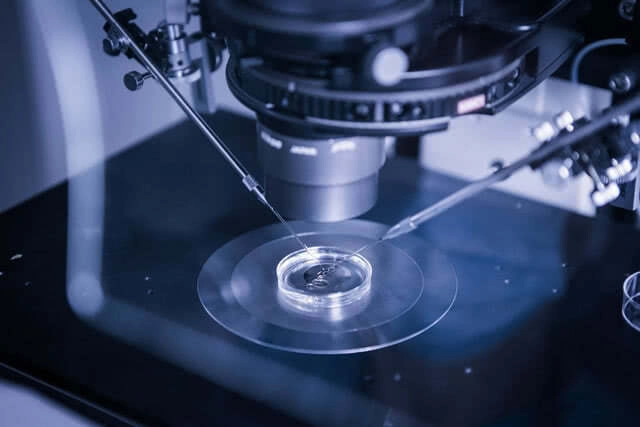
When a doctor talks about conization, it means removing a cone-shaped tissue fragment from the cervix. This is why the procedure got its name. This cone includes the external cervical pharynx and part of the endocervical canal, where precancerous changes usually occur. Therefore, this procedure is considered both treatment and advanced diagnosis, because the removed tissue is sent for histological examination.
Cervical conization is a gentle surgical procedure that allows for targeted removal of the affected area while preserving healthy tissue and a woman's reproductive function. This is especially important for women planning a natural pregnancy or preparing for IVF programs, as the procedure preserves the anatomical structure of the cervix and its functional properties.
The advantages of taper:
Since this intervention covers both the surface and deeper layers, where atypical cells may be located, the cone of the uterus provides more information than a targeted biopsy.
Cone biopsy or cervical cone biopsy is prescribed when simpler methods do not give a complete picture or when it is necessary to remove pathologically altered cells.
The main indications for the procedure:
Conization allows for the timely detection and removal of potentially dangerous cells, preventing complications. It is an effective method of controlling and preventing serious diseases of the female reproductive organs.
Although cervical taper is considered a safe procedure, there are situations when it is undesirable:
The decision to conduct conization is made only after a thorough diagnosis and risk assessment.
In modern gynecology, several techniques are used to perform the procedure. The choice of method depends on the indications, the equipment of the clinic, and the individual characteristics of the woman. The techniques differ in the depth of impact, the method of tissue excision, and the level of trauma.
Excision of the altered tissue is performed with a scalpel. However, this technique is currently practically not used due to its traumatic nature. After all, it contributes to a longer healing period and can cause severe bleeding and scarring.
The pathological area is treated with a laser beam. The laser "vaporizes" cells as accurately as possible and does not affect neighboring healthy areas, minimizing tissue injury. This method is fast and ensures simultaneous coagulation of blood vessels, which makes the procedure almost bloodless, reduces the risk of complications and promotes accelerated recovery.
Given the name of the technique, it is not difficult to understand what cervical conization is in this case. The procedure uses a radio knife that converts radio waves into thermal energy, which excises tissue without mechanical contact. This intervention is highly accurate, minimally traumatic and does not leave scars (does not cause cervical stenosis), so it is optimal for women planning a pregnancy.
Each method of uterine cone removal has its own characteristics and advantages, so gynecologist chooses the most appropriate option individually for each patient, taking into account her diagnosis.
To ensure that the results are as accurate as possible and the procedure goes without complications, it is important to prepare for it properly:
Proper preparation not only minimizes risks but also helps you feel more confident before the procedure.
Cone excision lasts an average of 15-30 minutes and is performed under local anesthesia or a short intravenous anesthesia.
The main stages:
The procedure is performed on an outpatient basis. After the procedure, the woman rests for 1-2 hours and can return home - there is no need for her further stay in the clinic. The doctor always gives recommendations regarding the care and monitoring of the condition.
In most women, regeneration is rapid, scarring is absent or minimal, and cervical function is fully preserved. To understand, how the cervix heals after conization - you should familiarize yourself with the stages of recovery:
The speed of healing also depends on the individual characteristics of the patient and the method of intervention.
Proper care after the intervention is the key to a quick recovery and the absence of complications. Rehabilitation after cervical conization involves following the doctor's recommendations:
Proper rehabilitation helps to avoid scars, infections and other undesirable conditions. A control examination is scheduled in 2-3 weeks.
Most of the cervical conization results in and patients return to their normal lives within a few weeks. On the contrary, this procedure has positive results, as it eliminates pathology and prevents serious diseases, especially cervical cancer.
Possible complications include temporary discharge and bleeding, the formation of a small scar, and very rarely, narrowing of the cervical canal (more often after rough techniques). Conization does not affect the ability to become pregnant and bear a child, especially if a gentle technique was used.
The price of the procedure depends not only on the chosen technique, but also on the amount of tissue to be removed, the type of anesthesia, and the need for additional tests. The level of the clinic and the qualifications of the specialist are also taken into account. Therefore, you should first familiarize yourself with the price list of the chosen institution and discuss the cost with your doctor. У fertility clinic in Kyiv "The price of cervical conization at IVMED is 1565 UAH.
Leave your contact information and our consultant will call you back and select the most convenient time, date, and doctor for a visit to the reproductive center or online consultation.
Procedures
Specialists of this service
Make an appointment
By clicking, you accept the terms and conditions “Consent to the collection and processing of personal data” and “Public agreement on the provision of medical services”