
st. Antonov Aviation Design Bureau, 2-B
Mon-Sat: 8:00-18:00
st. 2A, Roman Shukhevych str.
Mon-Fri: 09:00 - 17:00, Sat: 09:00 - 13:00
st. Antonov Aviation Design Bureau, 2-B
Mon-Sat: 8:00-18:00
st. 2A, Roman Shukhevych str.
Mon-Fri: 09:00 - 17:00, Sat: 09:00 - 13:00
The sperm viability test is a diagnostic test that detects the percentage of viable and non-viable sperm.
The test is performed both independently and in combination with the spermogram test. Comprehensive diagnostics provides the doctor with a more detailed result for making a diagnosis, because the examination and the test complement each other, not interchange.
Factors that can affect sperm motility:
To identify the causes of fertility disorders and sperm viability, please contact the specialists of the IVMED clinic. They will help you choose the right research method.
The sperm viability test demonstrates the percentage of viable sperm, which is a critical indicator for couples who are offered treatment using assisted reproductive technologies.
The test is especially important for confirming the possibility of a natural pregnancy.
If you have any questions, you can get answers during a consultation at the IVMED clinic.
The sperm viability test is performed as soon as possible after the sperm is received for the test.
It is important not to smoke, drink alcohol, overcool and avoid exposure to high temperatures (do not visit a bathhouse or sauna.)
The IVMED clinic specialist will provide you with more detailed conditions for the test during the consultation.
The sperm viability test is performed by staining samples with eosin-nigrosin.
The first component of the test is eosin, a substance that is passed by the cell membrane of non-viable sperm, which causes the sperm to turn red. Viable sperm do not allow the eosin dye to enter the cells. The membrane of viable sperm is a kind of barrier. Therefore, viable sperm remain colorless, which makes it possible to clearly distinguish between the two states of sperm (viable or non-viable).
The second component of the test is the nigrosine dye, which provides a dark background and increases the accuracy of sperm viability assessment.
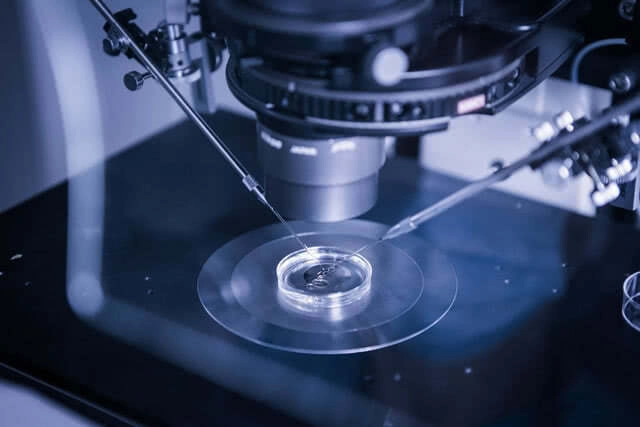
After applying the dyes, the specialists of the IVMED embryology department count the sperm count. For an accurate count, the test is performed using a light microscope, using a magnification of 400 to 600 times.
They evaluate 100 to 200 sperm and perform calculations.
The presence of a large number of viable but not motile sperm may indicate a violation of the flagellum.
Interesting fact!
Sperm are motile sex gametes that have a head, a neck, and a tail called a flagellum. By bending, the flagellum enables the sperm to move.
As a result of the maturation process, four mature sperm cells can be formed from one primary sperm cell in a man, and only one mature egg cell can be formed from one cell in the primary follicle in a woman.
For the proper development of male germ cells, the optimal temperature is 35℃.
The formation of mature sperm takes from 72 to 75 days, depending on the characteristics of the organism.
Did you know that the meeting between an egg and a sperm during natural conception is possible due to rheotaxis, which is the ability of sperm to move against the flow. 2-3 mm/min is the speed of sperm movement. Their speed can vary and depends on the favorable environment.
About 200 spermatozoa reach the fertilization site, which requires a lot of energy and a flagellum to move.
Leave your contact information and our consultant will call you back and select the most convenient time, date, and doctor for a visit to the reproductive center or online consultation.
Procedures
Specialists of this service
Make an appointment
By clicking, you accept the terms and conditions “Consent to the collection and processing of personal data” and “Public agreement on the provision of medical services”