
st. Antonov Aviation Design Bureau, 2-B
Mon-Sat: 8:00-18:00
st. 2A, Roman Shukhevych str.
Mon-Fri: 09:00 - 17:00, Sat: 09:00 - 13:00
st. Antonov Aviation Design Bureau, 2-B
Mon-Sat: 8:00-18:00
st. 2A, Roman Shukhevych str.
Mon-Fri: 09:00 - 17:00, Sat: 09:00 - 13:00
A semen analysis is a laboratory test of seminal fluid that allows for an objective assessment of its physical properties and the key characteristics of sperm cells. This analysis is the primary medical standard for assessing a man’s reproductive health and his ability to conceive.
During the diagnostic evaluation, important parameters such as the number, motility, and morphological integrity of the sperm, as well as the total volume and viscosity of the fluid, are examined. The results obtained make it possible to identify potential inflammatory processes or other factors that may reduce fertility and serve as the basis for further medical management.
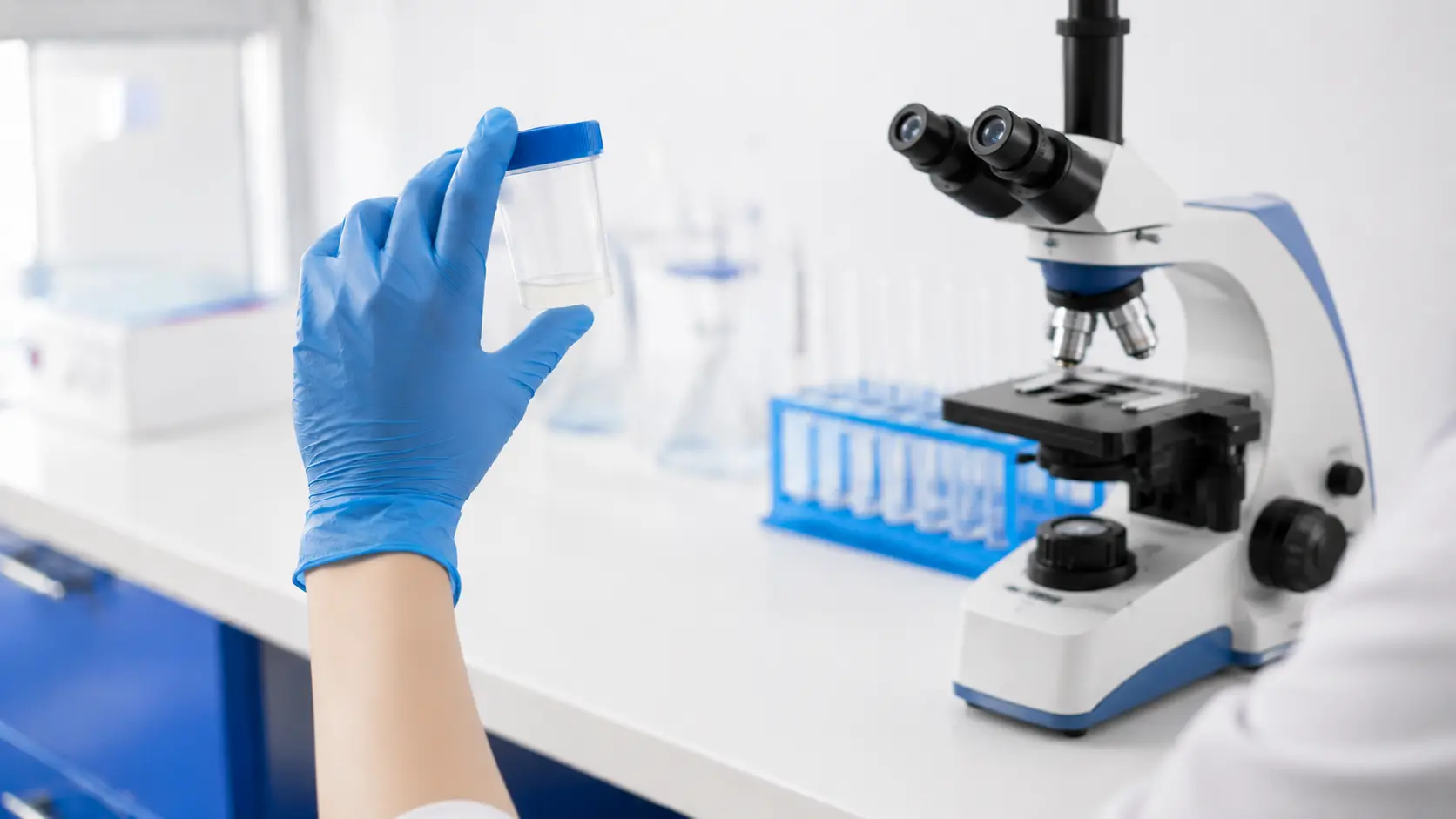
Semen analysis is prescribed as a baseline test to assess a man’s reproductive status. This laboratory test is recommended in the following clinical situations:
Suspected male factor infertility
The partner has not become pregnant during 12 months of regular sexual intercourse without the use of contraception.
Preparation for ART Programs
A mandatory step in planning assisted reproductive technology procedures (intrauterine insemination, IVF, ICSI).
Dynamic Monitoring
the need to monitor semen parameters following previously identified abnormalities in earlier semen analysis results.
Inflammatory and Infectious Processes
a history of or suspected past diseases of the genitourinary system (prostatitis, vesiculitis, epididymitis) or sexually transmitted infections.
Follow-up Care After Surgical Procedures
Assessment of the functional status of the reproductive system following treatment for conditions (such as varicocele) or physical trauma to the scrotal organs.
Cryopreservation of Biomaterial
Planning to freeze sperm before starting drug therapy or cancer treatment (chemotherapy or radiation therapy) that may suppress spermatogenesis.
Comprehensive Pregnancy Planning
Preventive screening during the stage when a couple is consciously preparing for conception.
Timely laboratory testing provides objective data on a man’s fertility status.
To ensure the accuracy of laboratory results, a standardized preparation protocol must be followed before collecting the biological sample:
Sexual abstinence: no ejaculation for 2–5 days prior to the test.
Abstinence from alcohol: Completely avoid consuming alcoholic beverages for at least 48 hours prior to the test.
Limit exposure to heat: Avoid overheating the groin area (visiting saunas or bathhouses, taking hot baths, using heated car seats, or undergoing physical therapy) for 48 hours.
Monitoring physical activity: Avoid intense athletic training and heavy physical labor on the day before the sample is collected.
Medication regimen: Discontinue all medications 7 days prior to the test (if it is impossible to interrupt ongoing therapy, this must be documented in the medical records before the test is administered).
Infection and Temperature Monitoring: Postpone the procedure in the presence of acute inflammatory processes of the genitourinary system, viral infections, or episodes of elevated body temperature.
Stress minimization: avoiding significant psychological and emotional stress in the days leading up to the procedure.
Smoking restrictions: Abstain from smoking as much as possible on the day the biological sample is collected.
Spermogram makes it possible to diagnose the following pathological conditions of ejaculate:
Ejaculate that meets the established standard is considered normal, and this condition is referred to as normospermia or normozoospermia.

Leave your contact information and our consultant will call you back and select the most convenient time, date, and doctor for a visit to the reproductive center or online consultation.
The spermogram procedure in Kyiv at the IVMED clinic is organized in such a way that the patient feels comfortable and can safely submit the material without stress, without worrying about confidentiality.
Preliminary consultation
The man is provided with detailed information on how to collect ejaculate, and then receives a sterile container.
Obtaining a sample
After performing hand and penile hygiene, the patient collects semen by masturbation in a specially equipped room in the clinic. It is important not to use lubricant or saliva during this process and to collect the entire sample from the first to the last drop.
Our own research
Laboratory technicians conduct macroscopic examination of the ejaculate (semen volume, color, viscosity, acidity, odor, and liquefaction time) and microscopic examination (sperm count, sperm motility and morphology, viability, presence of blood cells (white blood cells, red blood cells), bacteria, mucus, and agglutination reactions (sperm gluing together or other components of the ejaculate)).
Generating a report
Within 1-2 days, the laboratory prepares a report that covers all indicators in comparison with the reference laboratory values, sometimes with a commentary by the laboratory doctor.
Consultation with a doctor
After receiving the results, it is advisable to consult an andrologist or reproductive specialist to understand the indicators and determine the next steps.
The norm is at least 15 million sperm per 1 ml of semen, or a total of about 39 million in the ejaculate. If the number is lower, this may indicate oligozoospermia, a pathological condition that can lead to male infertility. At the same time, there may be a condition where there are no sperm in the ejaculate at all. This is a severe pathology called azoospermia.
A very important indicator: motile sperm are able to overcome the cervix and penetrate the egg. Motility is divided into categories: A – rapidly progressive, B – slowly progressive, C – non-progressive, D – immobile. If the number of motile sperm is low (less than 40%), it is called asthenozoospermia, which can affect the ability to conceive.
Morphological analysis of spermatozoa is an equally important criterion by which the shape of the head, neck, and tail is evaluated. The rate of normal shapes can vary, but less than 4% of normal spermatozoa in the ejaculate. If the rate is lower than 4%, this indicates morphologically impaired sperm and is called teratozoospermia. Abnormalities in shape may be associated with genetic disorders, toxicity, infections, or inflammatory diseases.
Ejaculate volume, acidity level, presence of leukocytes or red blood cells, the number of live forms (should be more than 58%), sperm agglutination, etc. are additional indicators that help the doctor to draw a complete picture.
Get an interpretation of your semen analysis results at IVMED
It is important not to draw conclusions on your own. Only a doctor can correctly assess whether a deviation from the norm is critical. Based on the results of a spermogram, the following can be determined at a consultation with a reproductive specialist or andrologist:
A spermogram is not just numbers, but a part of the clinical picture that allows you to formulate a treatment plan, assess the chances of conception and choose the best tactics for further action. If necessary, doctors draw up an individualized plan for restoring male fertility.
Choosing a clinic is important, because the test requires comfortable conditions, accurate equipment, and experienced specialists. If you are looking for a place to get a spermogram in Kyiv, IVMED Medical Center is a reliable place where every man can check his reproductive health without any worries.


The clinic has a modern laboratory certified according to international standards, where experienced doctors work. They not only perform the analysis, but also explain the results in clear language.
Advantages of the IVMED fertility clinic in Kyiv:
Remember, even if the result is not perfect, it is not a sentence. In most cases, the situation can be corrected by contacting a qualified specialist. So don’t delay – the sooner possible changes in reproductive health are detected and measures are taken, the higher the chances of successful treatment.
We do as much as necessary, not as much as possible
The IVMED Reproductive Medicine Clinic does not aim to force clients to spend the maximum amount of money. We prescribe a list of tests and procedures that allows you to achieve the desired treatment result in the optimal way.
We achieve results where hope is lost
We are constantly introducing the latest technologies
You will have access to embryoscopy, IMSI, PICSI, preimplantation genetic diagnostics by FISH, comparative genomic hybridization, and new generation sequencing in our reproductive medicine clinic
We work for results together with you
There is no “magic pill”. The first breath of a new baby is the result of the joint work of the clinic’s specialists and a couple who have a goal
BECOME PARENTS

Extract of information from the License Register of the Ministry of Health of Ukraine for medical practice
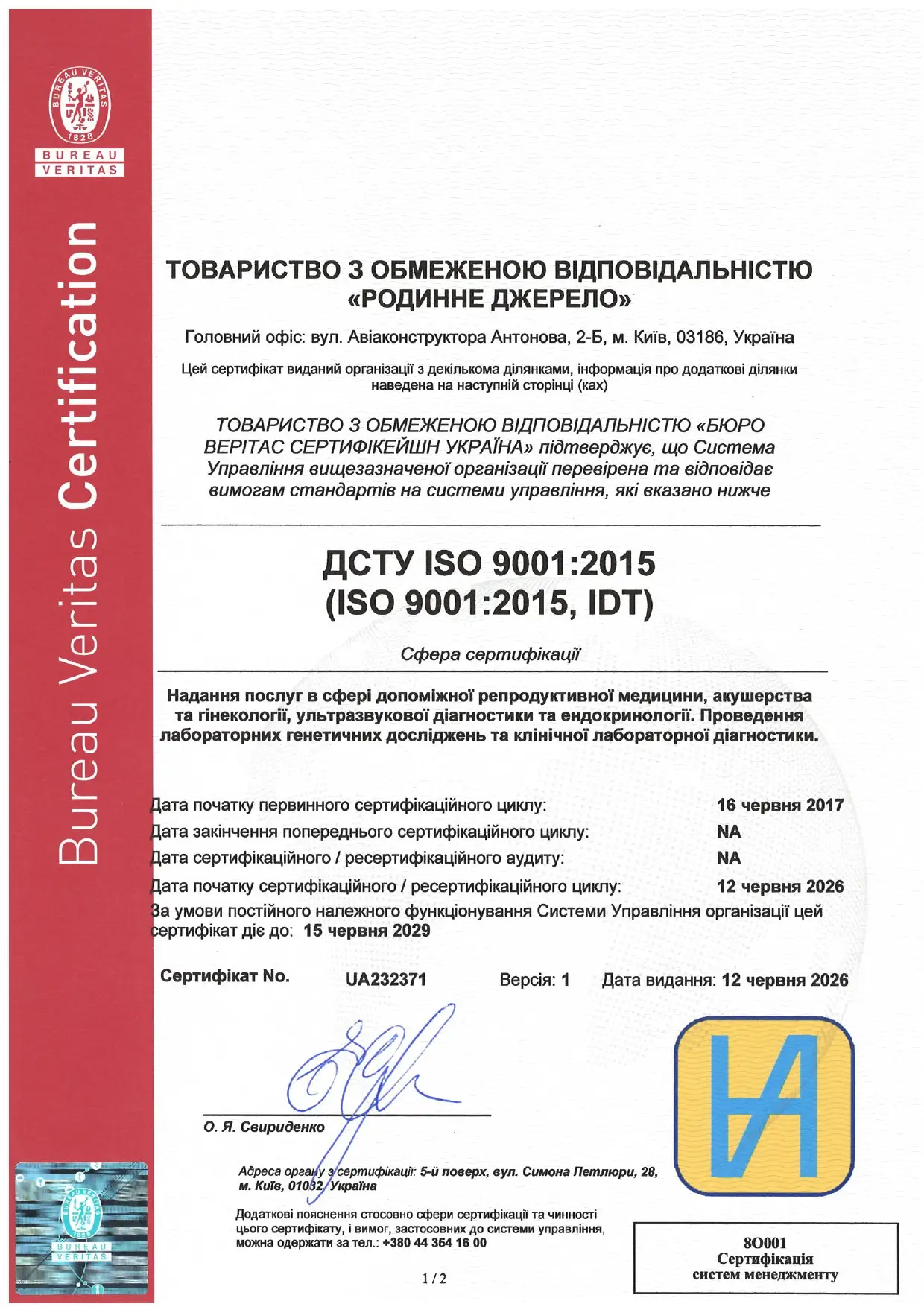
DSTU ISO 9001:2015-1 Certificate
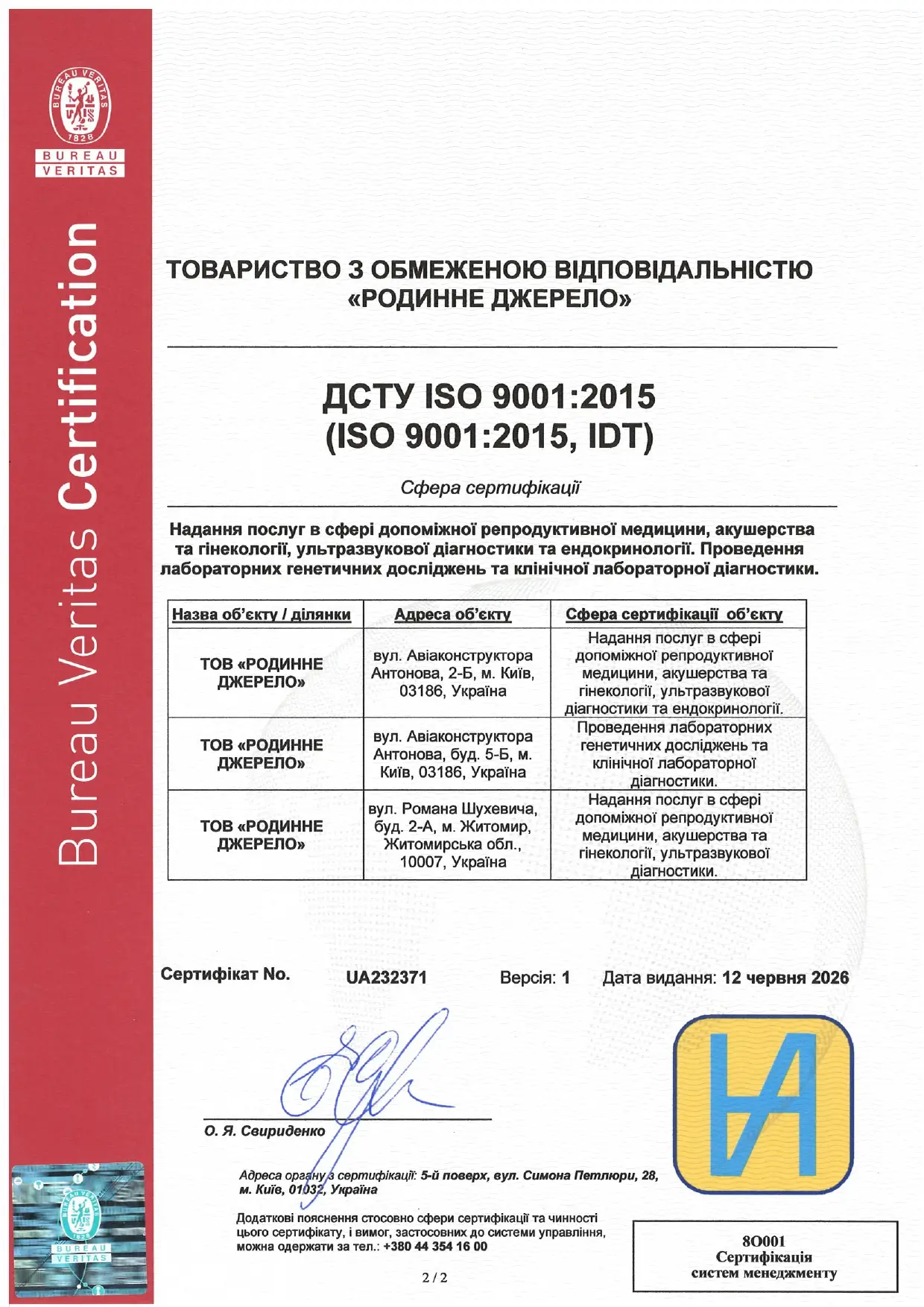
DSTU ISO 9001:2015-2 Certificate
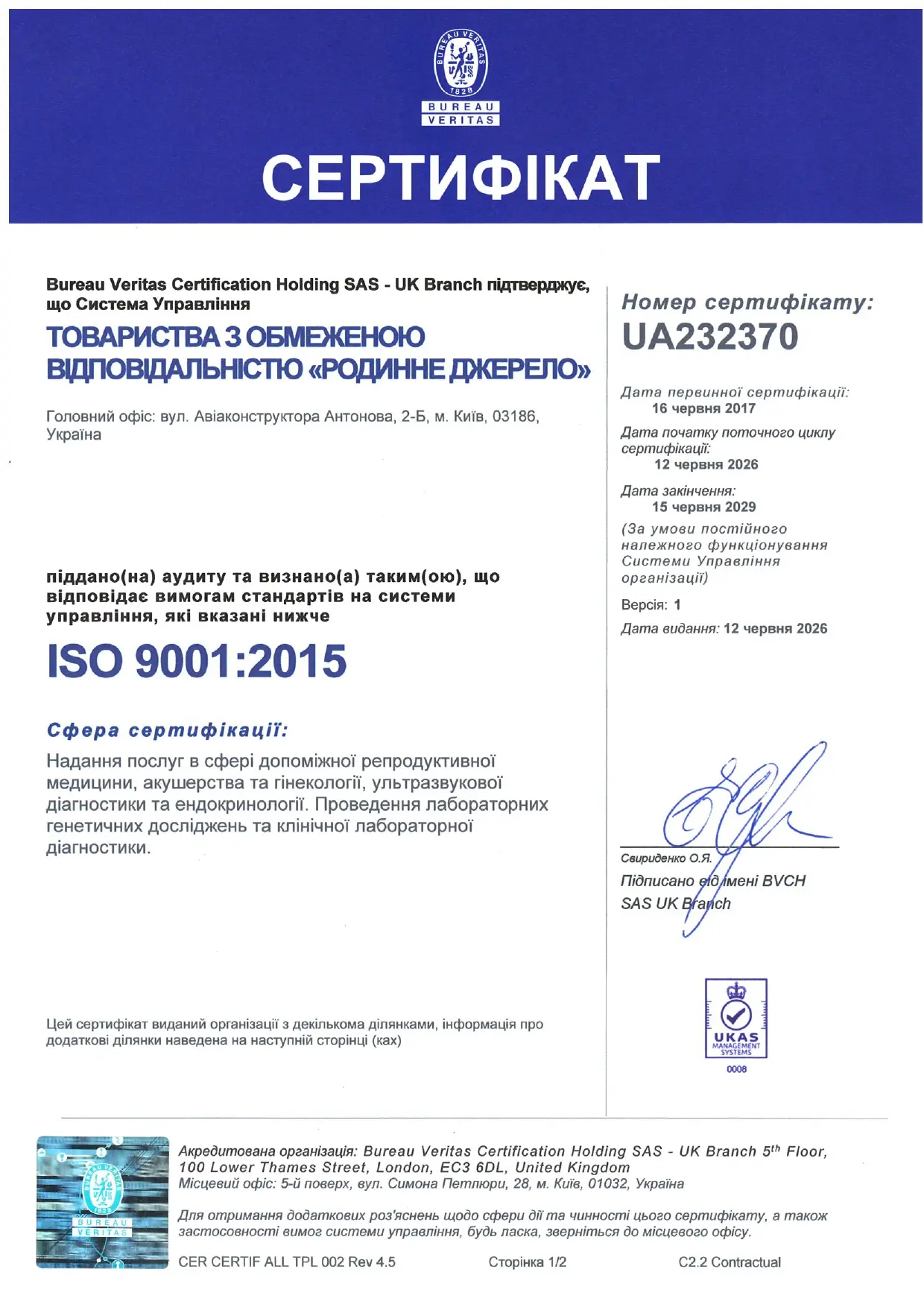
ISO 9001:2015 Certificate
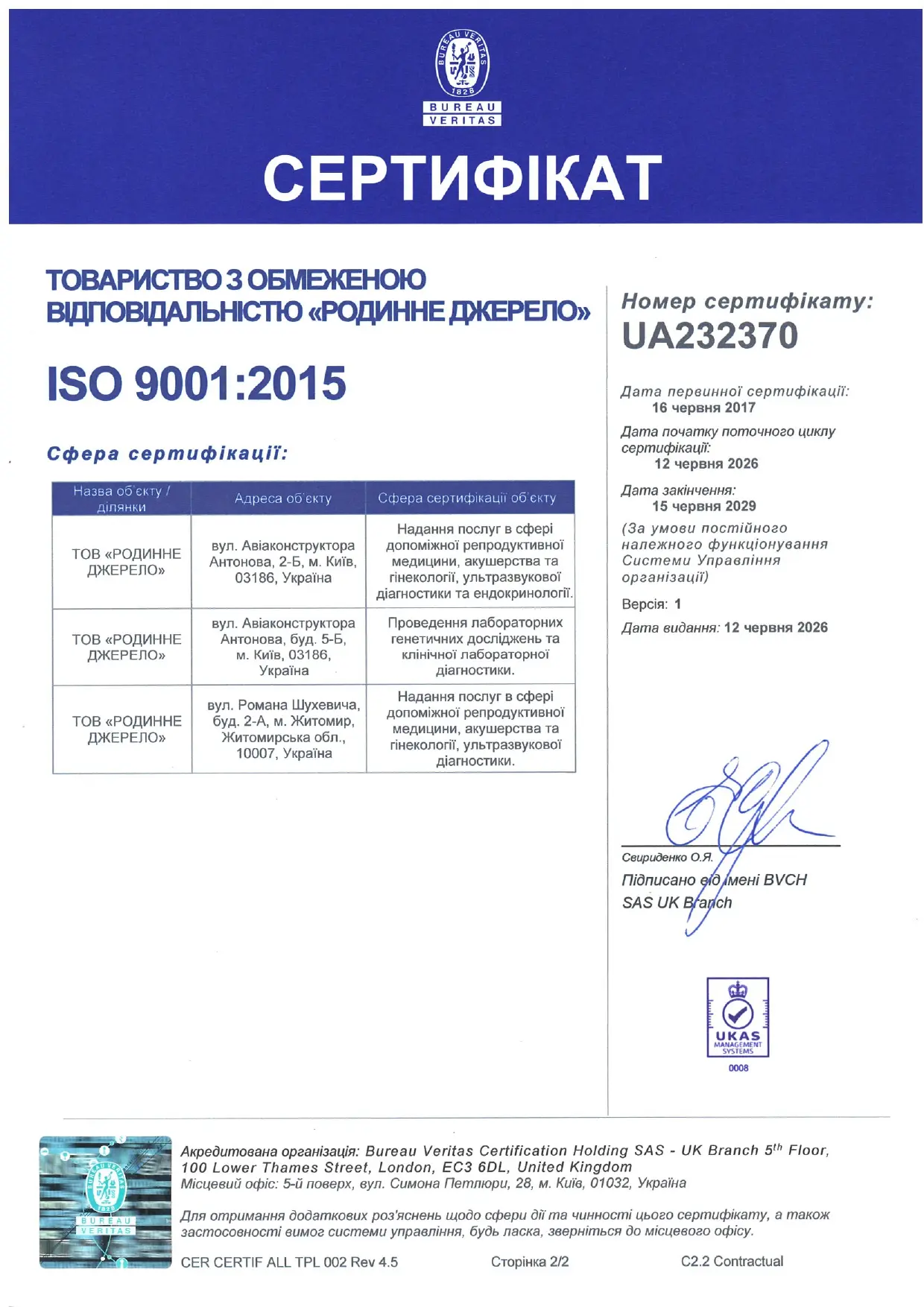
ISO 9001:2015 Certificate No. 2
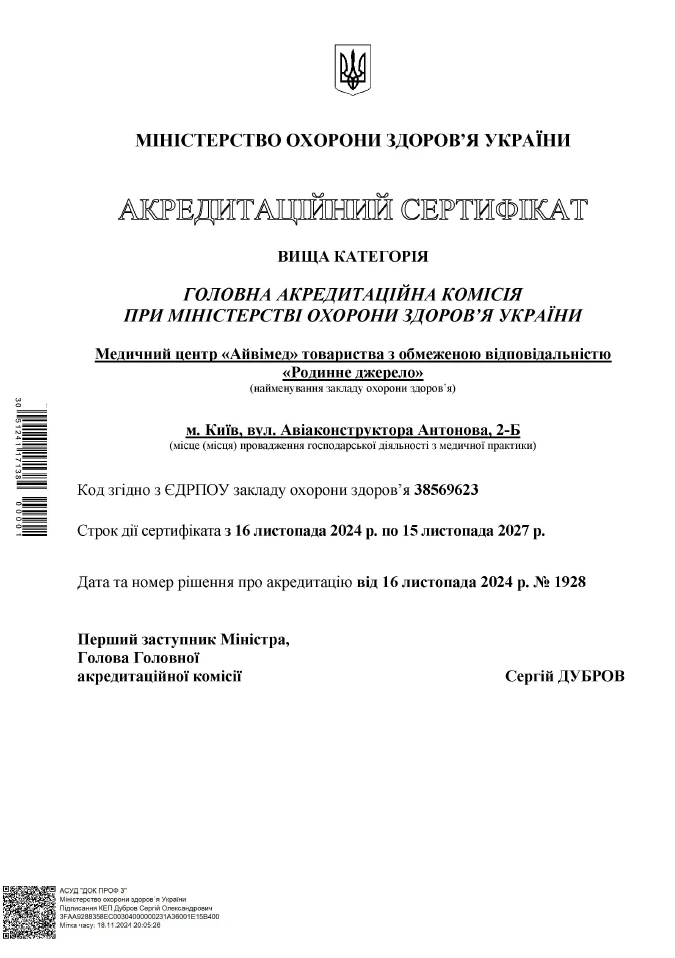
Accreditation certificate of the highest category
Make an appointment
By clicking, you accept the terms and conditions “Consent to the collection and processing of personal data” and “Public agreement on the provision of medical services”