

st. Antonov Aviation Design Bureau, 2-B
Mon-Sat: 8:00-18:00
st. 2A, Roman Shukhevych str.
Mon-Fri: 09:00 - 17:00, Sat: 09:00 - 13:00
st. Antonov Aviation Design Bureau, 2-B
Mon-Sat: 8:00-18:00
st. 2A, Roman Shukhevych str.
Mon-Fri: 09:00 - 17:00, Sat: 09:00 - 13:00
Problems with conception are not always related to sperm count or motility; sometimes the cause lies in their genetic quality. Even with normal semen analysis results, chromosomal abnormalities may be present that affect fertilization or embryonic development. In such cases, more in-depth diagnostics are required, specifically the FISH method, which allows for the assessment of the chromosomal makeup of sperm and the identification of underlying causes of male infertility.
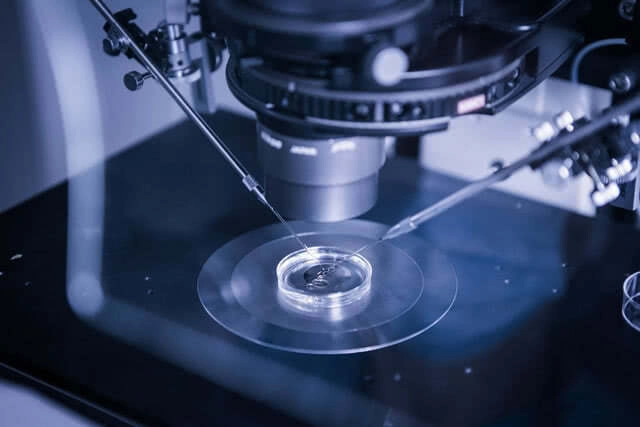
FISH analysis (fluorescence in situ hybridization) is a modern genetic test used to detect chromosomal abnormalities in spermatozoa. It is a method of molecular cytogenetics that allows for the assessment of the number of chromosomes in sperm cells using fluorescently labeled DNA probes specific to certain chromosomes (specifically X and Y, as well as 13, 18, and 21).
FISH detects aneuploidies—abnormalities in chromosome number—that can cause male infertility, failed attempts at conception, recurrent miscarriages, or the development of embryos with genetic abnormalities (such as Down syndrome or Klinefelter syndrome).
In clinical practice, this test is used as part of a comprehensive diagnosis of male infertility, especially before undergoing assisted reproductive technologies. It helps assess genetic risks, influences the choice of infertility treatment methods, and reduces the likelihood of embryonic developmental abnormalities.
Important! The FISH method counts only a certain number of sperm in the sample, but even that is enough to identify a high risk of genetic abnormalities.
The FISH method is used in genetics when there is a suspicion of chromosomal abnormalities that may affect male fertility, the fertilization process, and subsequent embryo implantation in the uterus. This is an in-depth diagnostic test that helps identify causes not detectable by standard semen analysis.
Main indications for in-depth sperm analysis:
The FISH method allows for the analysis of sperm DNA and helps the doctor determine the most effective infertility treatment strategy for the couple
FISH analysis of semen requires a high degree of accuracy at every stage, since it involves the evaluation of the cells’ genetic material. The sequence of the examination is as follows:
The FISH method allows for the most accurate detection of chromosomal abnormalities in sperm and is used in the modern diagnosis of male infertility. In the comprehensive diagnosis of male infertility, the following may also be used: sperm viability test, which helps determine what percentage of the cells are capable of active function.
Proper preparation for a semen sample for FISH analysis affects the accuracy of the results. Key recommendations:
Please note! It is recommended to collect the biological sample for FISH analysis through masturbation. Semen collected from a condom is not suitable, as it may alter its properties due to contact with latex and lubricant, which could lead to false results.
The FISH method is considered one of the most informative tools for diagnosing male infertility, as it allows for the accurate determination of the genetic status of sperm. It is also worth noting other advantages of this test:
It's interesting to know! The FISH method is widely used not only in reproductive medicine, but also in genetics and oncology to detect chromosomal abnormalities in cells.
For the sake of an objective assessment, it is worth noting certain shortcomings of the analysis:
Sperm analysis using the FISH method should be used when indicated, particularly when a more in-depth assessment of genetic factors is needed and appropriate infertility treatment options must be selected.
IVMED offers FISH testing of sperm as part of a comprehensive approach to identifying the genetic causes of male infertility. The testing is conducted in our in-house laboratory using molecular cytogenetic technologies, which allow us to accurately assess the chromosomal makeup of sperm and identify risks to reproductive function.
Benefits of undergoing FISH testing at the IVMED Reproductive Medicine Clinic:
The FISH method is a valuable tool in modern reproductive medicine that allows for a more in-depth assessment of sperm genetic quality and the detection of hidden chromosomal abnormalities. It helps pinpoint the cause of fertility issues more accurately and select an effective treatment strategy, reducing risks to the future fetus and increasing the chances of having a healthy child.
Leave your contact information and our consultant will call you back and select the most convenient time, date, and doctor for a visit to the reproductive center or online consultation.
Procedures
Specialists of this service
Make an appointment
By clicking, you accept the terms and conditions “Consent to the collection and processing of personal data” and “Public agreement on the provision of medical services”