What is the pellucid zone and why is it important?
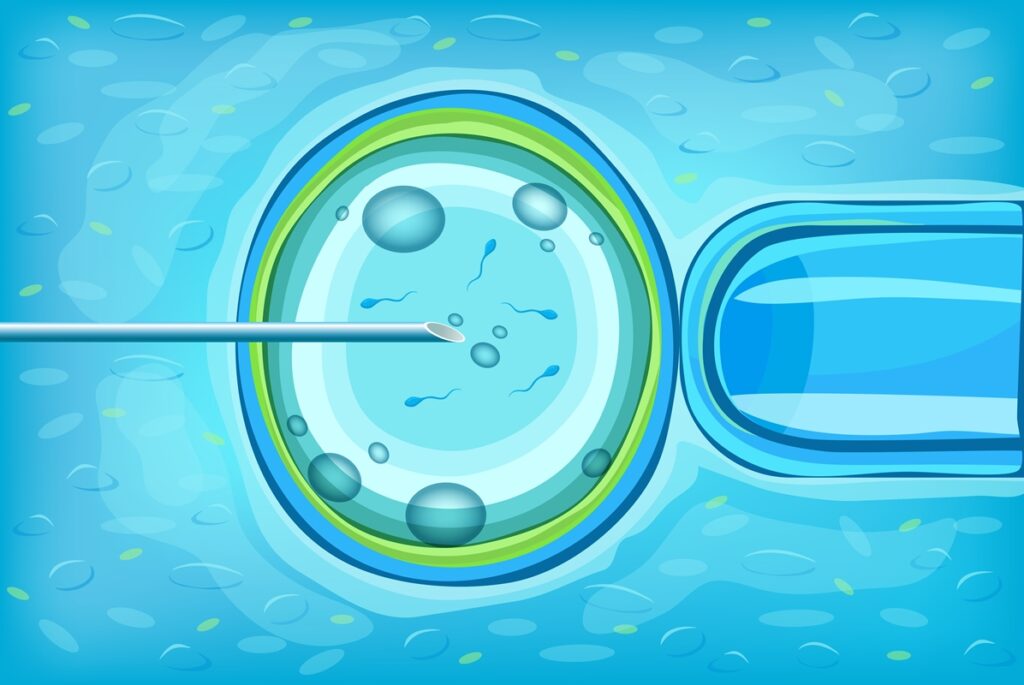
The zona pellucida is a transparent membrane that surrounds the embryo and protects it in the early stages of development. In the process of normal conception, the embryo naturally "gets out" of this membrane before implantation into the uterine wall. However, in some cases, the thickness or stiffness of the pellucid zone can become an obstacle, in which case assistance in fixing the embryo is very important.
Auxiliary embryo hatching can solve this problem. The procedure is especially useful for women of older reproductive age, patients with repeated unsuccessful IVF attempts. Hatching is also relevant when working with cryoembryos.
Methods of auxiliary hatching
There are several ways to pierce the embryo membrane, among which the most popular are:
- Laser hatching is the most modern and precise method that uses a laser to create a small hole in the pellucid zone. Due to its high precision, this approach reduces the risk of embryo damage.
- Mechanical hatching is a procedure that involves the use of micro tools to stretch or cut through the shell. Although less common, this method is still effective.
- Chemical hatching is a method that involves the use of special acids to soften the pellucid zone.
Among these methods, laser hatching is the gold standard due to its safety and effectiveness.
How does the procedure go?
Auxiliary hatching is performed at the blastocyst stage, when the embryo reaches 5-6 days of development. The laboratory procedure is performed before the embryo is transferred into the uterine cavity. The specialist creates a small hole in the pellucida area, which allows the embryo to more easily exit the membrane for implantation.
When is auxiliary hatching needed?
The procedure of auxiliary hatching is recommended in such cases:
- women over 35 years old, when the pellucid zone becomes thicker with age;
- patients with repeated failed implantation attempts;
- when using cryo-embryos, as freezing can change the structure of the shell;
- in the presence of hormonal problems that complicate implantation.
Does hatching increase the chances of conception?
Assisted hatching significantly increases the success rate of embryo implantation. According to studies conducted in reproductive clinics, women who have undergone laser hatching have a 10-15% increase in the chances of conception compared to standard IVF protocols.
However, the effectiveness of the procedure depends on many factors, including the quality of the embryo, the professionalism of the embryologist, and the woman's health.
Possible risks and limitations of ancillary hiring
Like any medical procedure, assisted hatching has certain risks. Most often, it is minimal damage to the embryo or the risk of premature hatching. However, thanks to modern equipment and the qualifications of doctors, these risks are minimized.
The procedure may also be ineffective if the causes of IVF failures are not related to the embryo membrane but are caused by other factors.
Assisted embryo transfer is a valuable tool in reproductive medicine. Laser hatching, in particular, can increase the chances of conception, especially for patients with a high risk of failed implantations.
To achieve the best results, it is important to perform the procedure in clinics with modern equipment and experienced staff. If you have any questions about the need for assisted hatching, contact a fertility specialist for an individual consultation at the IVMED Reproductive Medicine Clinic.