

Regenerative Therapy for the Ovaries and Endometrium
At the IVMED Clinic, we restore reproductive potential using our proprietary regenerative therapy platforms—EndoCell and OvaCell. These methods rely exclusively on the patient’s own (autologous) biomaterial, so the risk of rejection is minimized. A reproductive specialist selects the method on an individual basis following a consultation, and the biomaterial is processed in IVMED’s in-house cytogenetic laboratory.
IVMED's Two Proprietary Regenerative Therapy Platforms
EndoCell
Endometrial Regenerative Therapy Platform
4 methods: PRP therapy, MNC therapy, exosome therapy, and restoration of endometrial receptivity.
OvaCell
Ovarian Regenerative Therapy Platform
2 methods: PRP therapy and exosome therapy for the ovaries to restore ovarian reserve.
What is regenerative medicine?
Regenerative therapy activates the body’s natural self-healing mechanisms. Platelets, mononuclear cells, or exosomes obtained from a small blood sample are injected directly into the endometrial or ovarian tissues. There, they stimulate angiogenesis and cellular regeneration and improve tissue receptivity—which increases the chances of successful embryo implantation and pregnancy.

Autologous material—zero risk of rejection
A personalized approach tailored to your situation
IVMED's In-House Cytogenetic Laboratory
Evidence base: 2024–2025 studies
Who is a good candidate for regenerative therapy?
Indications for EndoCell
A thin or “refractory” endometrium that does not respond to estrogen
Repeated failures in the implantation of good-quality embryos
Immune Factors in Infertility and Chronic Endometritis
Asherman's syndrome, endometrial atrophy or hypoplasia
Preparation for IVF Programs and Other Assisted Reproductive Technologies
Indications for OvaCell
Decreased ovarian reserve (low AMH)
Poor response to stimulation in ECT programs
Abnormal Follicle Growth and Age-Related Changes in the Ovaries
Repeated unsuccessful IVF attempts due to ovarian conditions
Find out if you are a candidate for regenerative therapy by consulting a doctor at IVMED
EndoCell
Endometrial Regenerative Therapy Platform — 4 methods, individually tailored to your clinical situation.
Platelets · PRP
PRP Therapy for the Endometrium
Angiogenic activation of the endometrium using autologous platelet-rich plasma. Stimulates tissue proliferation, angiogenesis, and natural regeneration.
Indications and Details
INDICATIONS
"Frozen" (refractory) endometrium
A thin endometrium that does not respond to estrogen
Asherman's Syndrome (intrauterine adhesions)
Endometrial atrophy
The program (13,400 UAH) includes
General anesthesia
Intrauterine PRP Injection
Mononuclear Cells · Immune Training
MNC Therapy for the Endometrium
Immunological preparation of the endometrium for implantation. The woman’s own blood mononuclear cells modulate the local immune response and create a tolerant environment for the embryo.
Indications and Details
INDICATIONS
Repeated failures in embryo implantation
Repeated failures in embryo implantation
Chronic inflammatory processes in the uterine tissues
Adequate endometrial thickness, but low receptivity
Exosomes · Cell Regeneration
Exosome Therapy for the Endometrium
Regenerative therapy for the endometrium using autologous exosomal substances. Exosomes act as “biological couriers”—they trigger deep regeneration of uterine tissues.
Indications and Details
INDICATIONS
Endometrial Atrophy and Hypoplasia
Age-Related Changes in the Endometrium
Conditions Following Surgical Procedures, Scarring
Asherman's Syndrome
Preparation for the EKS Programs
The program (24,800 UAH) includes
General anesthesia
Intrauterine injection of exosomes
Medications · Program
"Restoring Endometrial Receptivity"
An intrauterine injection of a medication (filgrastim/Zarsio or another medication as prescribed by a doctor) to increase endometrial receptivity and restore the “implantation window.”
Indications and Details
INDICATIONS
Reduced endometrial receptivity
Repeated failures in embryo implantation
The program (19,800 UAH) includes
General anesthesia
Intrauterine injection of a medication (excluding the cost of the medication)
OvaCell
Ovarian Regenerative Therapy Platform — 2 methods for restoring ovarian reserve and increasing the chances of pregnancy using your own eggs.
Platelets · Revascularization
PRP Therapy for the Ovaries
Angiogenic activation of the ovaries using autologous platelet-derived growth factors. This procedure is performed in conjunction with ovarian puncture—without the need for additional anesthesia.
Indications and Details
INDICATIONS
Decreased ovarian reserve
Insufficient response to stimulation in the ECG
Impaired follicle growth
Age-related decline in reproductive capacity
Exosomes · Restoring Potential
Exosome Therapy for the Ovaries
Regenerative ovarian therapy using autologous exosomal substances. The goal is to restore ovarian function and increase the chances of pregnancy using the patient’s own eggs.
Indications and Details
INDICATIONS
Decreased ovarian reserve
Insufficient response to ovulation induction
Age-Related Changes in the Ovaries
Repeated unsuccessful attempts at IVF
Convenient to combine with ovarian aspiration
Both OvaCell procedures are typically performed in conjunction with ovarian puncture as part of an IVF program. Since you are already under general anesthesia, the injection does not require a separate session and helps save time and money.
How does the procedure go?
Consultation
A reproductive specialist will evaluate your condition and prescribe the best treatment
Blood Tests
Blood tests to confirm the absence of contraindications
Blood draw
A small amount of venous blood on the day of the procedure
IVMED Laboratory
Isolation of PRP, mononuclear cells, or exosomes in our in-house cytogenetic laboratory
Introduction
Gentle insertion under ultrasound guidance or under general anesthesia
Observations
Post-procedure recommendations and monitoring of results
* Consultations and blood tests are scheduled separately and are not included in the cost of the procedures
What do scientific studies show?
The effectiveness of these methods has been confirmed by meta-analyses and randomized clinical trials conducted in 2024–2025, as reported in open-access scientific sources.
×2.71
Higher Implantation Potential of the Embryo
in the PRP therapy group compared with the control group
46%
Pregnancy Rates with MNC Therapy
compared to 24% in the standard treatment protocol
×2.46
Higher live birth rate
After PRP therapy of the endometrium vs. the control group
Specifically, in a 2024 meta-analysis, endometrial thickness after PRP was, on average, +1.23 mm greater, and clinical pregnancy was observed 2.04 times more frequently compared to the control group.
Leave your contact information and our consultant will call you back and select the most convenient time, date, and doctor for a visit to the reproductive center or online consultation.
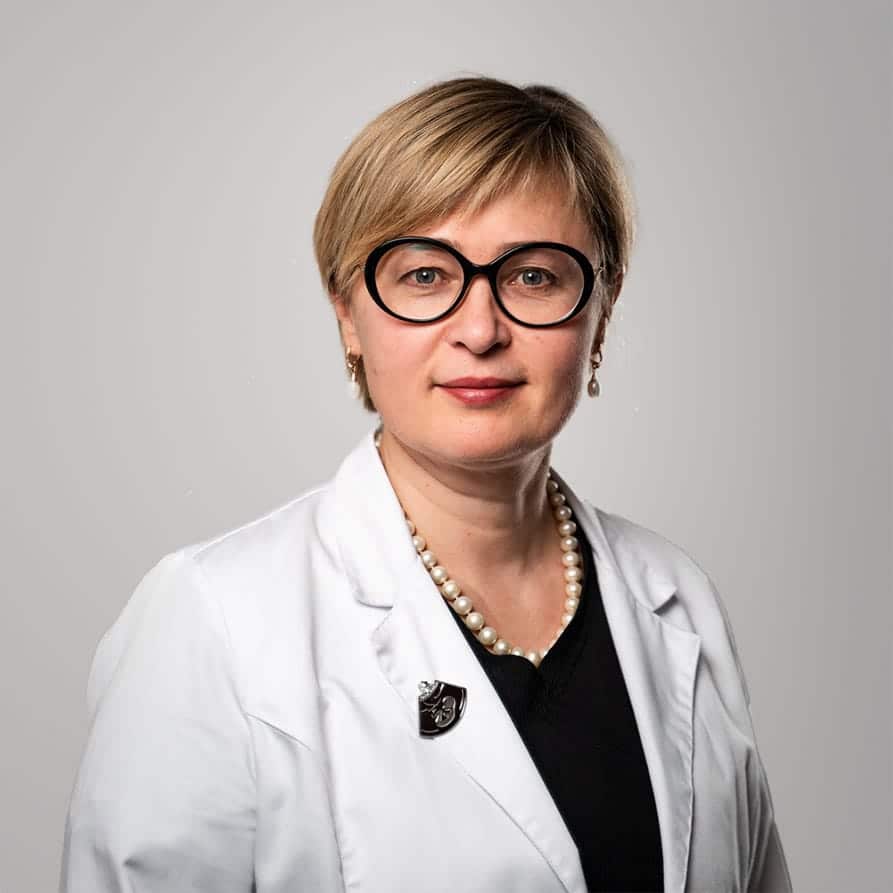
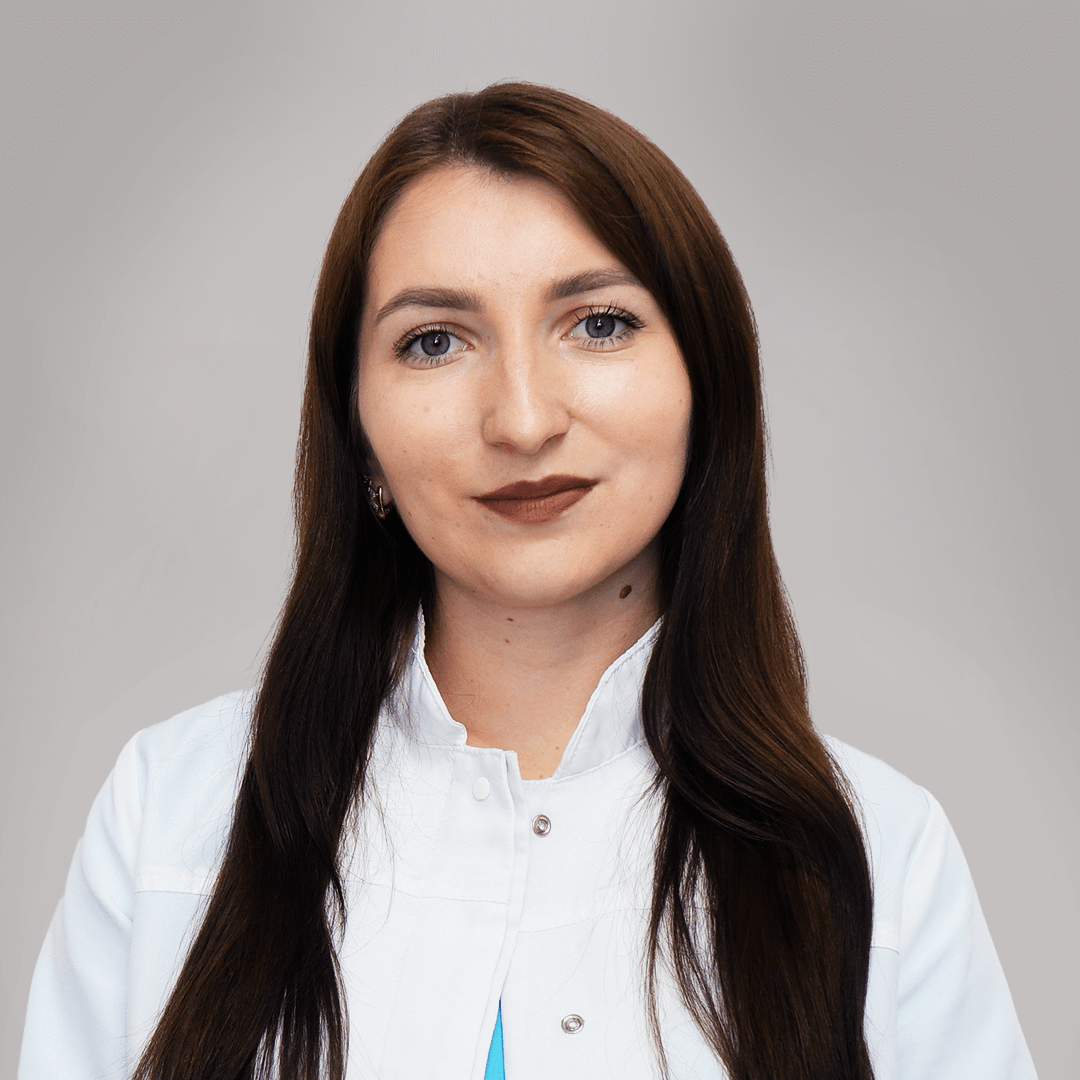
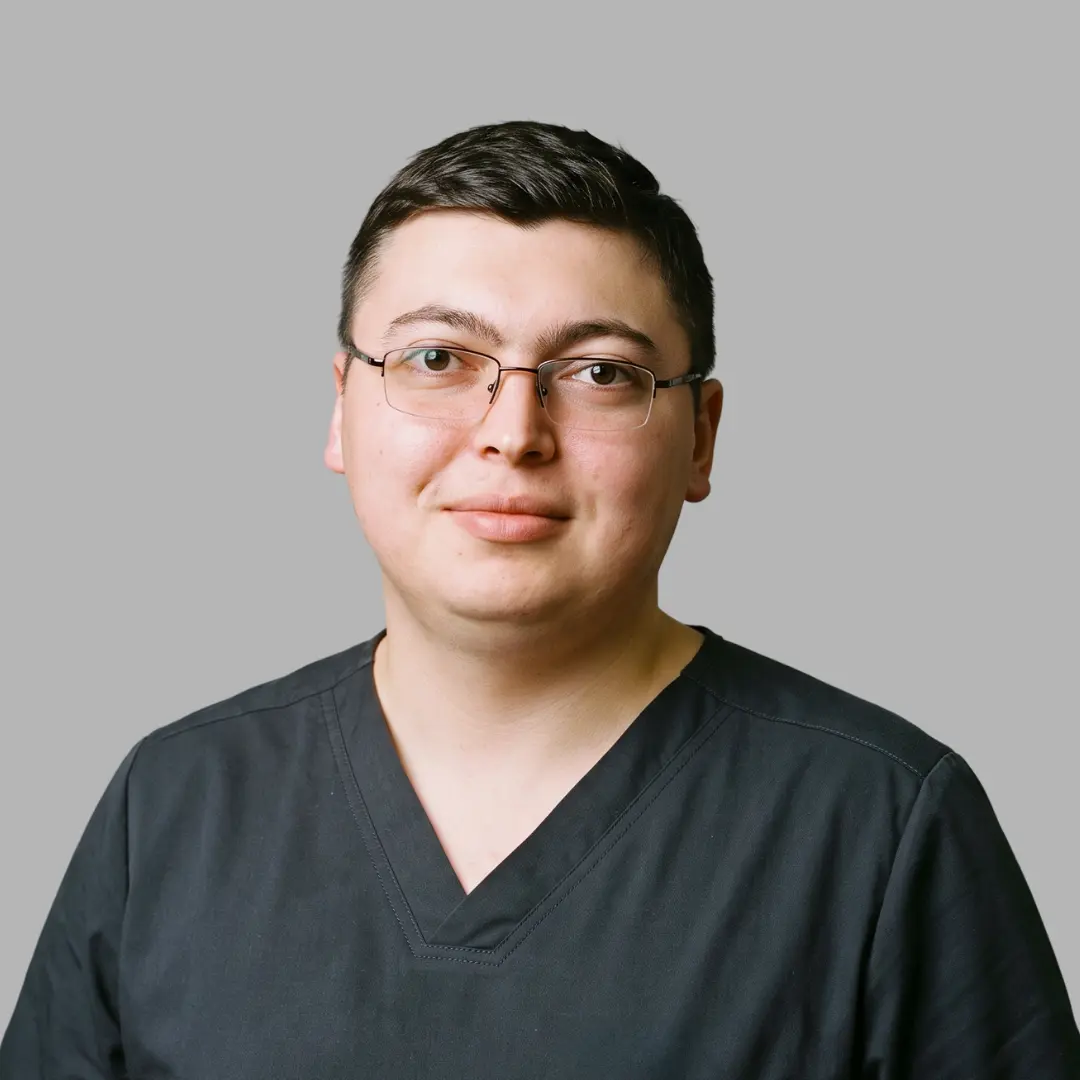
Our doctors






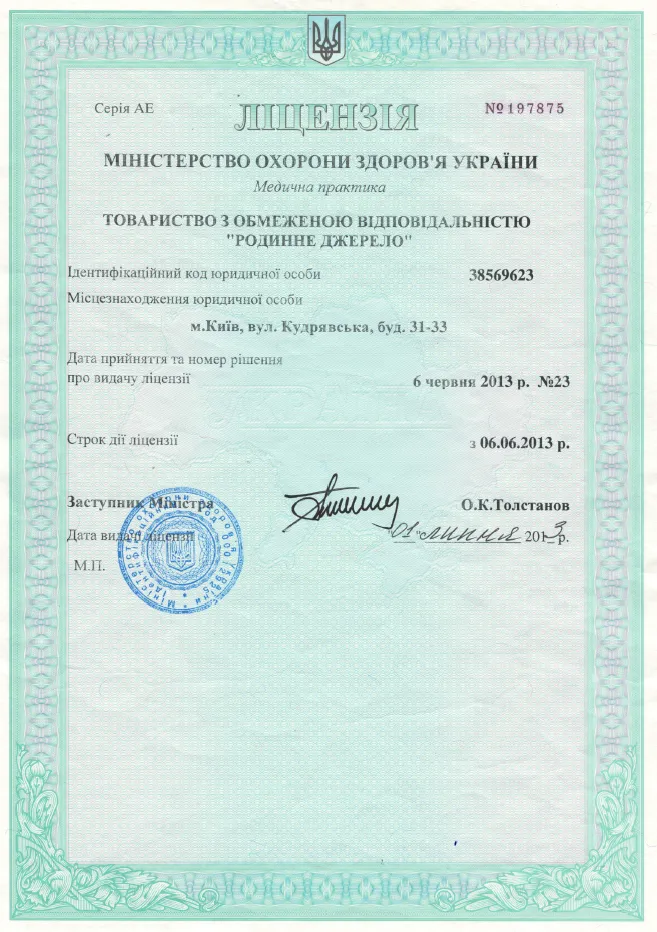
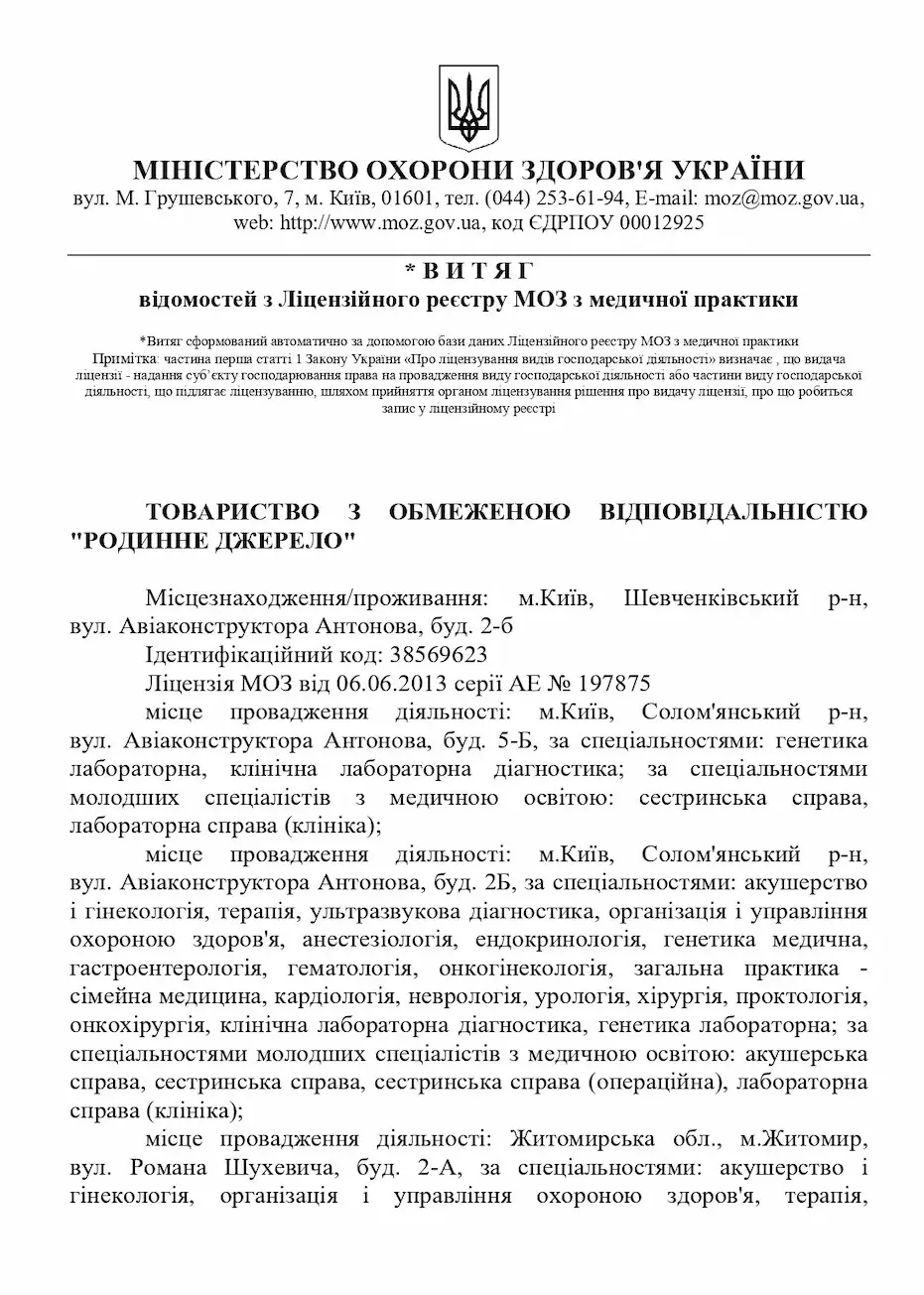
Extract of information from the License Register of the Ministry of Health of Ukraine for medical practice
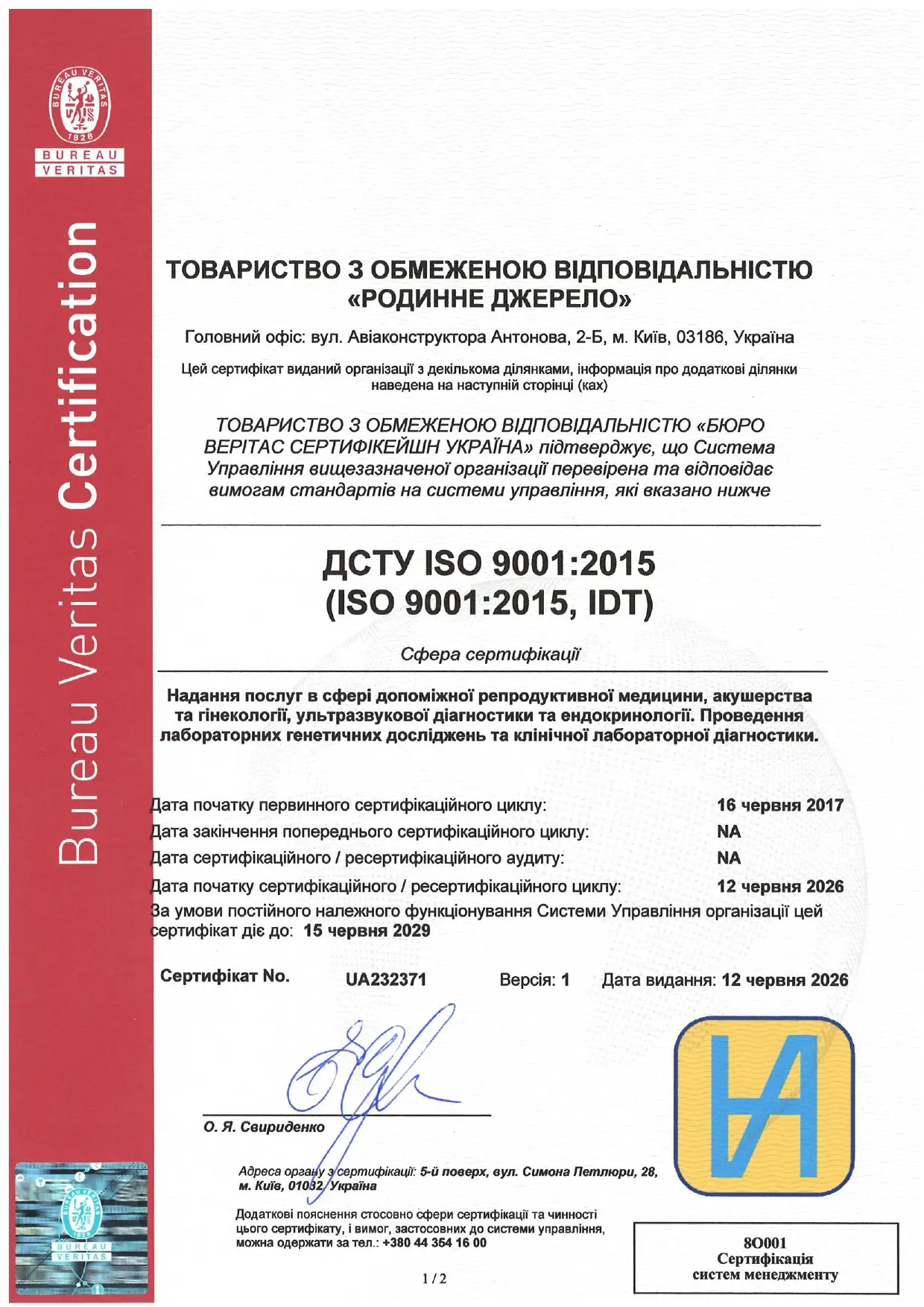
DSTU ISO 9001:2015-1 Certificate
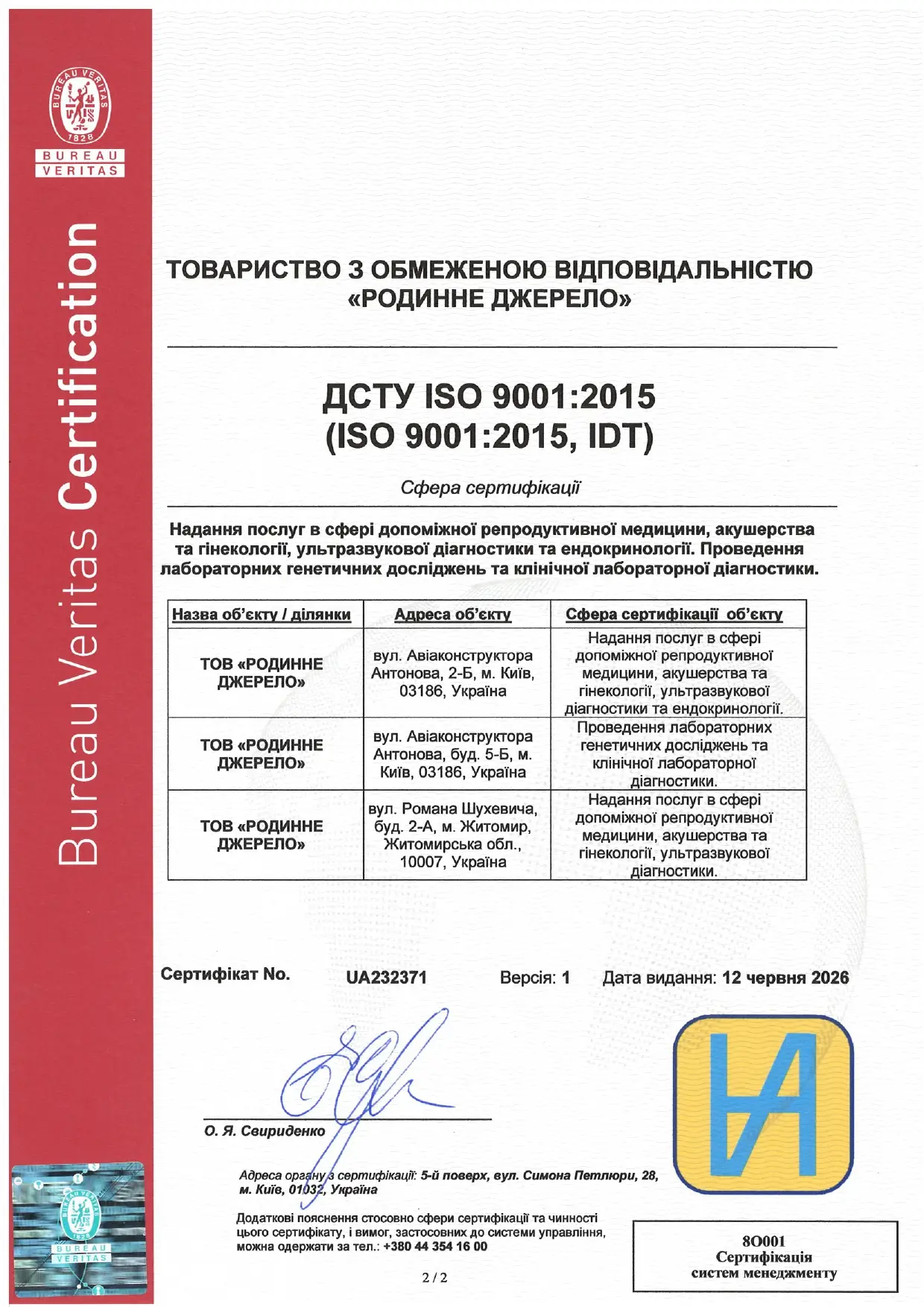
DSTU ISO 9001:2015-2 Certificate
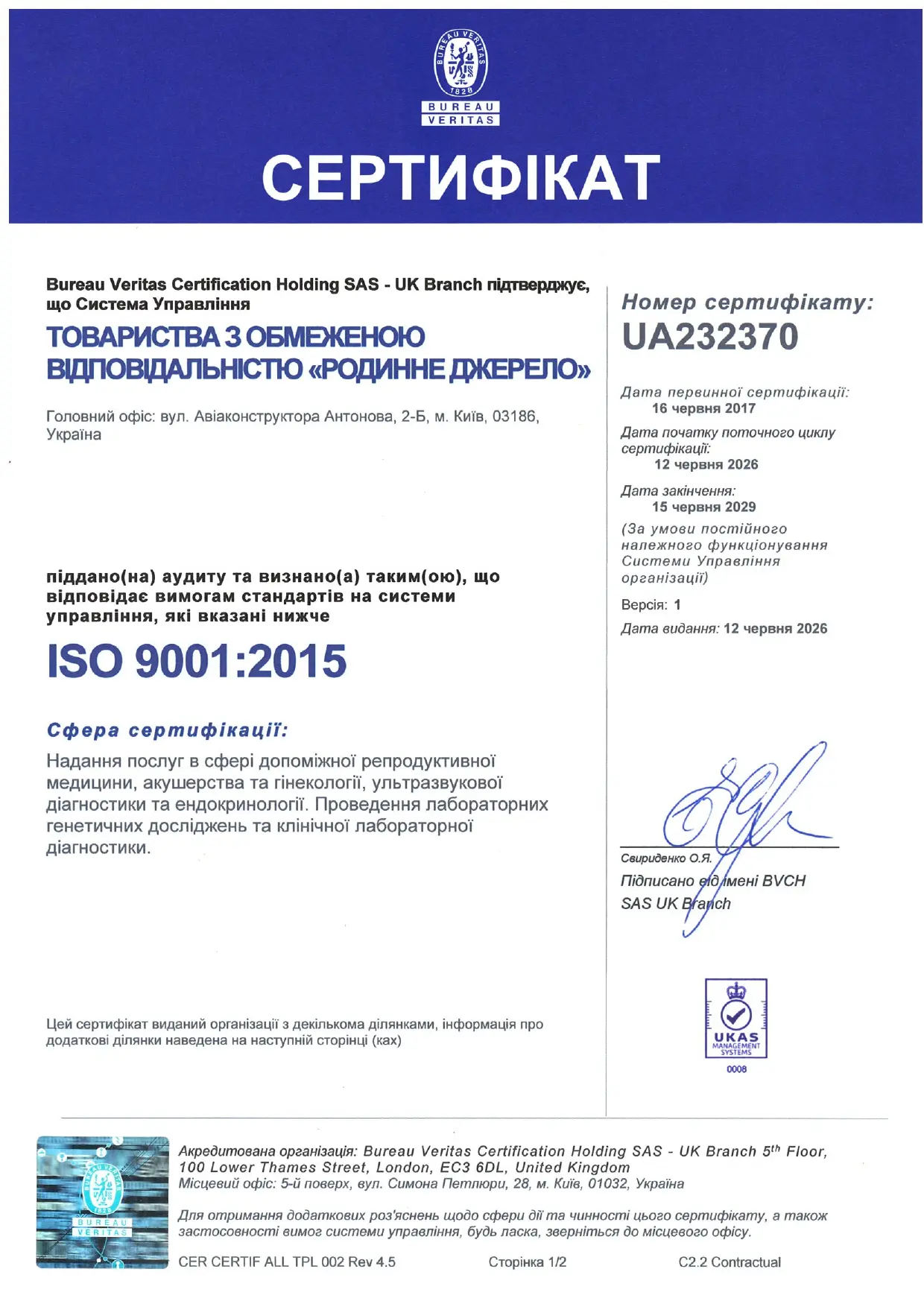
ISO 9001:2015 Certificate
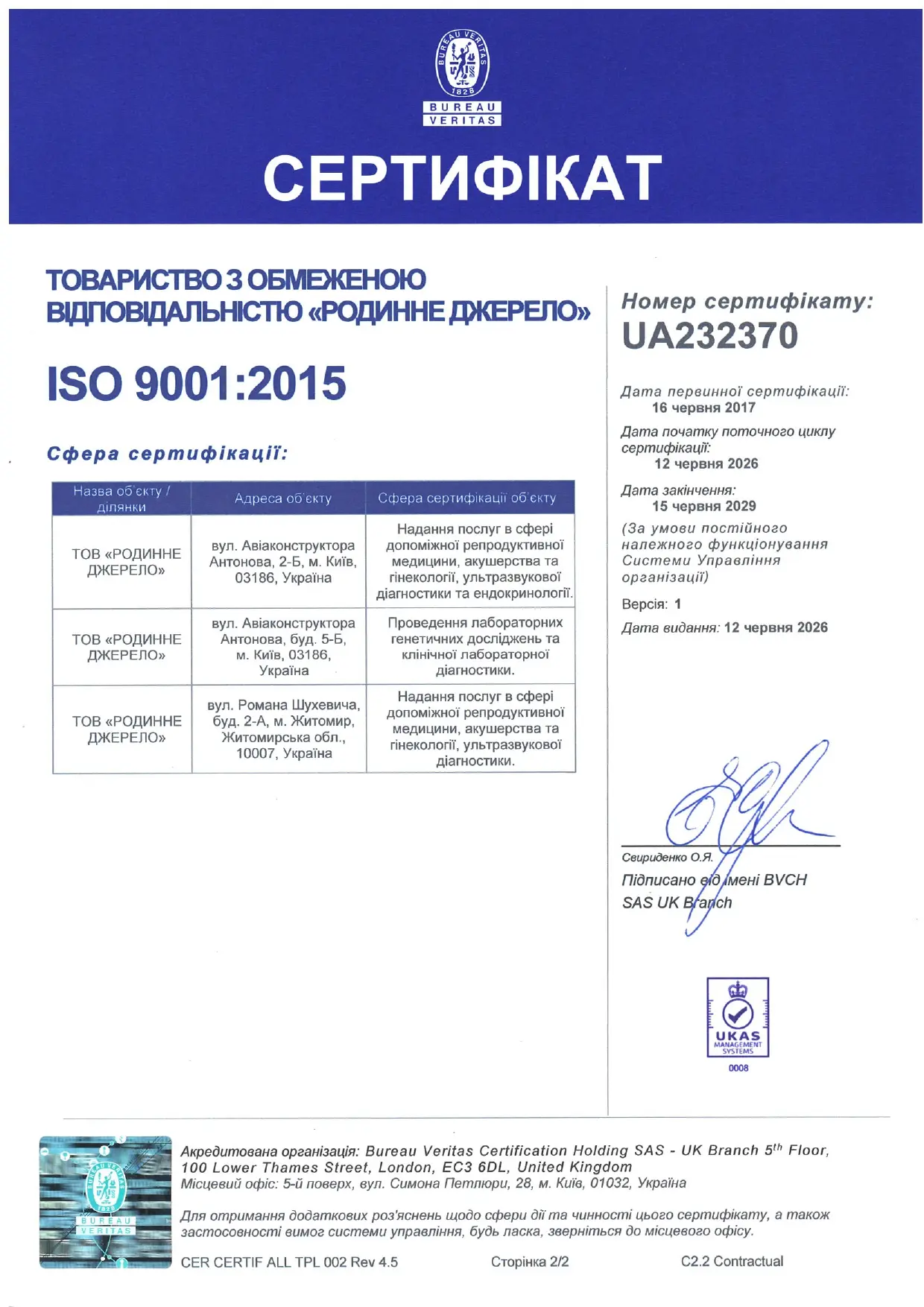
ISO 9001:2015 Certificate No. 2
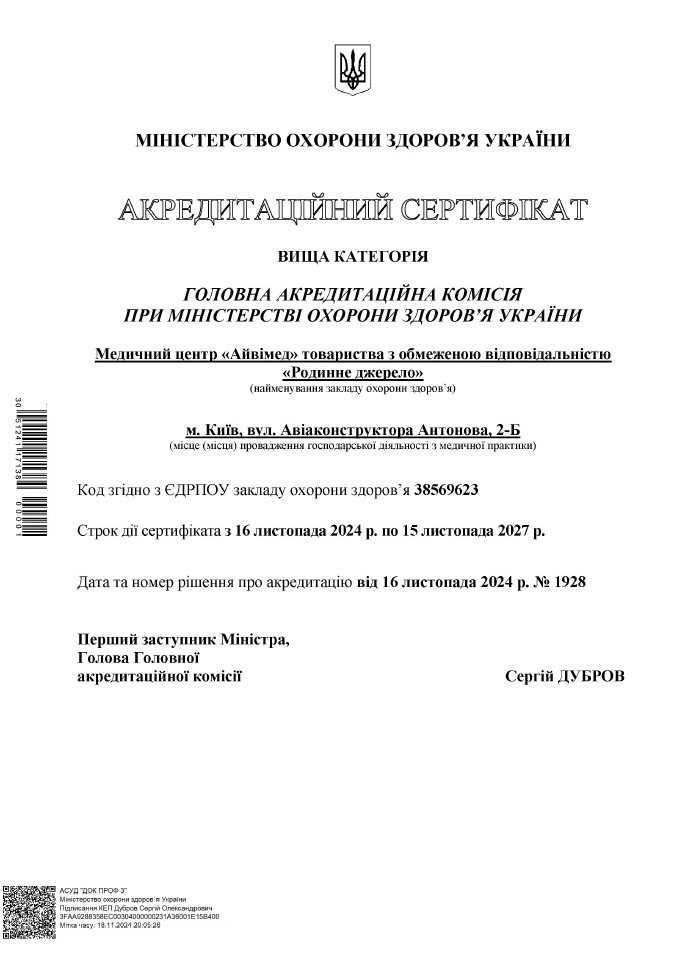
Accreditation certificate of the highest category