
Infertility treatment at IVMED
Comprehensive diagnostics and treatment, IVF programs and individual support for couples.
Who needs diagnostics?
Pregnancy planning
You are planning a pregnancy for more than 12 months without a result
Hormonal disorders
Suspected hormonal disorders or imbalances
The male factor
Disorders in male reproductive health
Ovulation disorders
Irregular cycles or lack of ovulation
Post-inflammatory conditions
Past infections or inflammatory processes
Causes of infertility
Understanding the causes is an important step for proper treatment
– Endometriosis and fallopian tube obstruction
– Polycystic ovary syndrome (PCOS)
– Disorders of ovulation and hormonal balance
– Age-related changes in the reproductive system
– Uterine fibroids and other anatomical disorders
– Inflammatory diseases of the pelvic organs
– Varicocele, infections and inflammation
– Hormonal imbalance and impaired spermatogenesis
– Immunological factors (anti-sperm antibodies)
– Genetic disorders and chromosomal abnormalities
– Obstruction and obstruction of the urethra
– Erectile dysfunction and ejaculation disorders
Methods of treatment
Individual approach and use of modern protocols
IVF / IVF - how it works
Step-by-step process from consultation to result
Preparation for the procedure
Collection of the couple’s history, appointment of additional examinations, development of an individual plan
Stimulation of ovulation
Individual stimulation protocol, ultrasound monitoring of follicle development
Follicle puncture
Obtaining eggs under ultrasound control in sterile conditions
Fertilization in the laboratory
Combining eggs and sperm, using IVF or ICSI methods if necessary
Cultivation of embryos
Observation of embryo development in modern incubators for 2-6 days
Embryo transfer
A short procedure for transferring high-quality embryos into the uterine cavity
Support after the transfer
Hormonal support, condition monitoring, pregnancy test in 14 days
Important: Each IVF program is individual. The duration and features of the protocol depend on age, health status, and other factors.
Advantages of the IVMED clinic
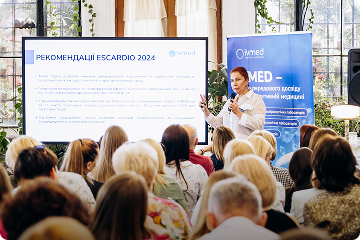
Leading experts
Our doctors are leading experts in the field of assisted reproductive technologies and are actively engaged in scientific research.
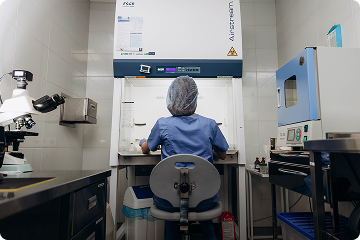
Own embryological laboratory
The laboratory's internal protocols are formed in accordance with the guidelines of ESHRE (European Society of Human Embryologists and Reproductive Scientists).
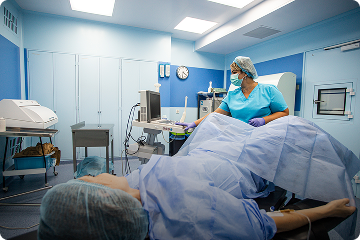
Personalized programs
Diagnostics, selection of the optimal method of infertility treatment, selection of medications and programs - everything is developed taking into account your individual characteristics and medical indicators.
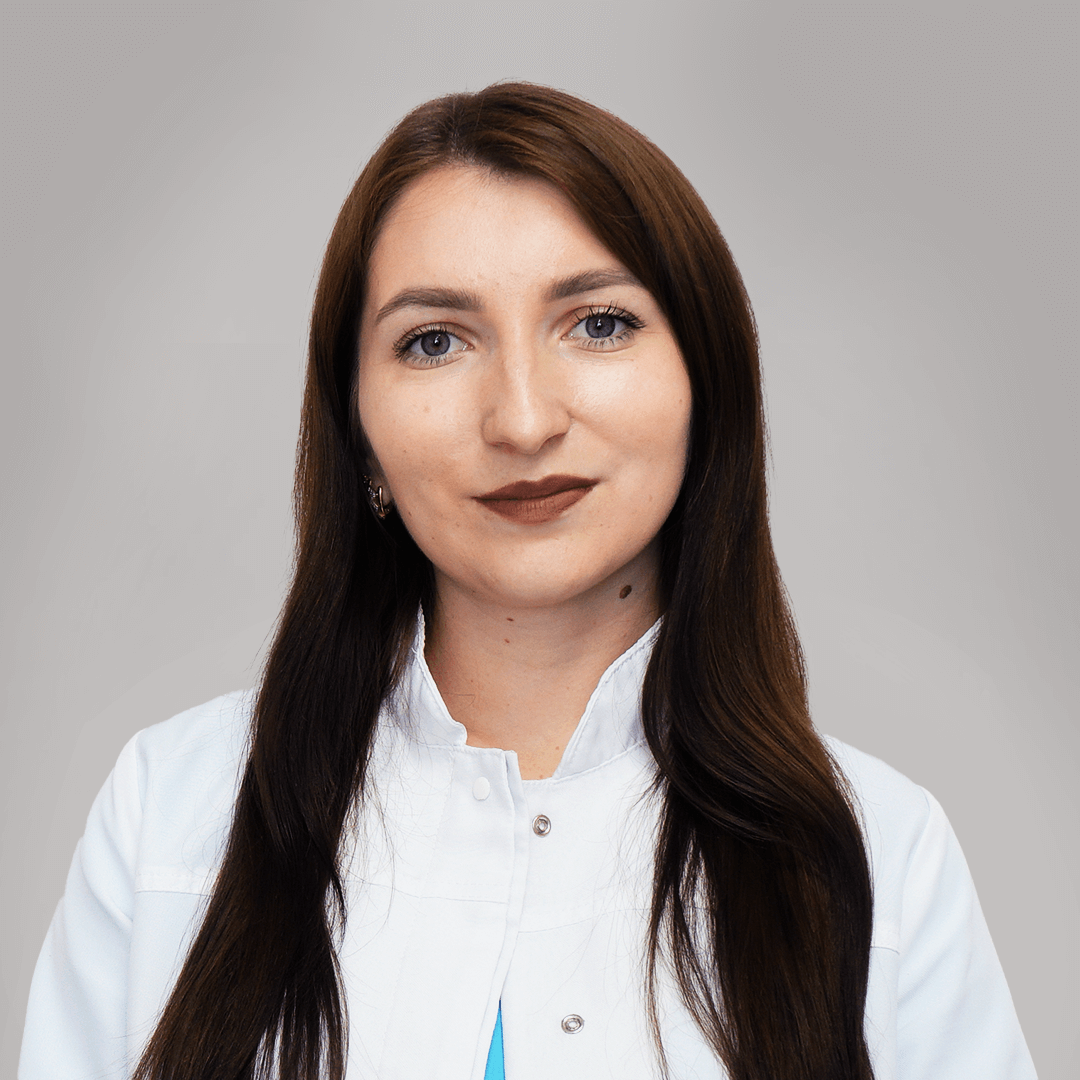
Patient reviews
Trustindex перевіряє, що вихідним джерелом відгуку є Google. Дізналась про цю клініку від своєї знайомої. В нас з чоловіком 15 років не було дітей. Причина не відома. І ми пішли на ЕКО по програмі НСЗУ. До лікаря Макаренко Лілії Володимирівни. Підсадку робили в поточному місяці стимуляції і з першого разу вагітність настала 😍. Звісно це чудо! Але ще й великий професіоналізм Лілії Володимирівни. За що ми дуже вдячні ☺️ Бо наша мрія стала стала реальністю. Весь персонал клініки це солодкі булочки, які все підкажуть і розкажуть. Я рекомендую однозначно!!!! І звісно Макаренко Лілію Володимирівну. Дякую вам за те, що робите пари щасливими 🤗Опубліковано наTrustindex перевіряє, що вихідним джерелом відгуку є Google. Велика вдячність за роботу лікарю Макаренко Лілії Володимирівні. Дуже кваліфікаційний лікар з великим досвідом. Це лікар , який допомагає здійснювати мрії. Дякуємо Вам за турботу , підтримку та чуйність!Опубліковано наTrustindex перевіряє, що вихідним джерелом відгуку є Google. Хочу виразити вдячність за роботу лікарю Макаренко Лілії Володимирівні. Таких лікарів дуже мало .На всі мої запитання я почула чіткі відповіді, що дало мені змогу все зрозуміти та отримати результат. Лілія Володимирівна, дуже Вам дякую !!Опубліковано наTrustindex перевіряє, що вихідним джерелом відгуку є Google. Хочу щиро поділитися нашою історією та висловити безмежну вдячність клініці Айвімед та лікарю Магера Юлії Олександрівні. Із чоловіком ми дуже довго планували дитину, але всі спроби були марними. За цей час я зверталася до багатьох приватних і державних медичних закладів, перенесла лапароскопію з видалення поліпа та ендометріоїдної кісти. На жаль, після операції один яєчник перестав функціонувати, а рівень АМГ був критично низьким. Здавалося, що надії майже не залишилось… У грудні 2024 року я звернулася до клініки «Айвімед» і потрапила до Юлії Олександрівни — і це стало поворотним моментом у нашому житті. Це надзвичайно уважний, відповідальний, людяний, позитивний лікар і справжній професіонал своєї справи. Лікар від Бога, наш янгол-охоронець 🤍 Юлія Олександрівна не просто лікує — вона щиро переживає за кожну пацієнтку, підтримує на кожному етапі та вселяє віру навіть тоді, коли здається, що шансів немає. Саме вона допомогла нам скористатися програмою від НСЗУ, і сьогодні ми з великою радістю та трепетом очікуємо на нашу довгоочікувану малечу 🥹✨ Від усього серця рекомендую всім дівчатам, які мріють стати мамами, — тільки до Юлії Олександрівни. Дякуємо за нашу надію, за результат і за нове життя, яке росте під серцем 💖Опубліковано наTrustindex перевіряє, що вихідним джерелом відгуку є Google. Дякуємо Макаренко Лії Володимирівні за те, що допомогла нашій родині! Багато років безуспішних спроб завагітніти і от нарешті у нас народилась донечка! Лія Володимирівна чудовий і чуйний лікар, тому після успішного екз ми з чоловіком вирішили ведення вагітності теж пройти з нею. Щиро рекомендуємо. Це чудова, уважна, спокійна і високопрофесійна лікарка. Загалом в клініці дуже комфортно, надзвичайно приємний персонал, а також сучасне та якісне обладнання.Опубліковано наTrustindex перевіряє, що вихідним джерелом відгуку є Google. Дуже щасливі, що змогли потрапити саме до цієї клініки!!!! Адже наша з чоловіком довгоочікувана вагітність сталася завдяки чуйному та професійному відношенню до своєї справи всього колективу IVMED! Ми Вам неосяжно вдячні, особливо нашому лікарю Магері Юлії Олександрівні!!!!Опубліковано наTrustindex перевіряє, що вихідним джерелом відгуку є Google. Хочу щиро подякувати лікарю Магері Юлії Олександрівні та клініці репродукції за високий професіоналізм, уважність і людяне ставлення. Юлія Олександрівна — лікар, якому справді довіряєш з першої консультації: все детально пояснює, відповідає на всі запитання, заспокоює і підтримує на кожному етапі. Відчувається великий досвід, тактовність і щире бажання допомогти. У клініці дуже приємна атмосфера, сучасне обладнання та чітка організація роботи. Тут справді дбають не лише про результат, а й про емоційний стан пацієнтів, що особливо важливо у такій чутливій сфері. Щиро рекомендую клініку та лікаря Магеру Юлію Олександрівну всім, хто шукає професійну та турботливу медичну допомогу 💫Опубліковано наTrustindex перевіряє, що вихідним джерелом відгуку є Google. Щиро дякуємо нашому лікарю Магера Юлії Олександрівні та всій команді IVMED за професіоналізм та уважне ставлення. Особливо вдячні нашому лікарю, Юлії Олександрівні, яка завжди на зв’язку, навіть поза робочим часом, відповідає на всі запитання та заспокоює нас у хвилюючі моменти. Особливо цінуємо, що лікар підтримує нас на нашому шляху до батьківства. На кожному візиті відчувається, що їй небайдужі її пацієнти, вона уважно слухає, завжди дає поради простими словами і вміє знайти підхід до кожного. Дуже дякуємо за підтримку та ваш професіоналізм)Опубліковано наTrustindex перевіряє, що вихідним джерелом відгуку є Google. Немає слів, щоб передати нашу вдячність клініці IVMED, а особливо лікарю - Макаренко Лілії Володимирівні! Шлях до нашої мрії був непростим, але завдяки Вашій вірі, підтримці, професіоналізму та щирій турботі в нашому житті сталося справжнє диво — ми завагітніли! Дякуємо за добрі слова та за всі етапи, які ми проходили разом. Ви подарували нам найбільше щастя!
Get a free checklist to prepare for infertility diagnosis
Contacts
Address.
м. Kyiv, 2-B Aviakonstruktora Antonova str.
Phone.
0 800 350 491
info@ivmed.com.ua
Work schedule
Mon-Sat: 08:00 - 18:00
Sunday: day off
Consent to the collection and processing of personal data
Public agreement on the provision of medical services
Copyright by IVMED. All rights reserved.